
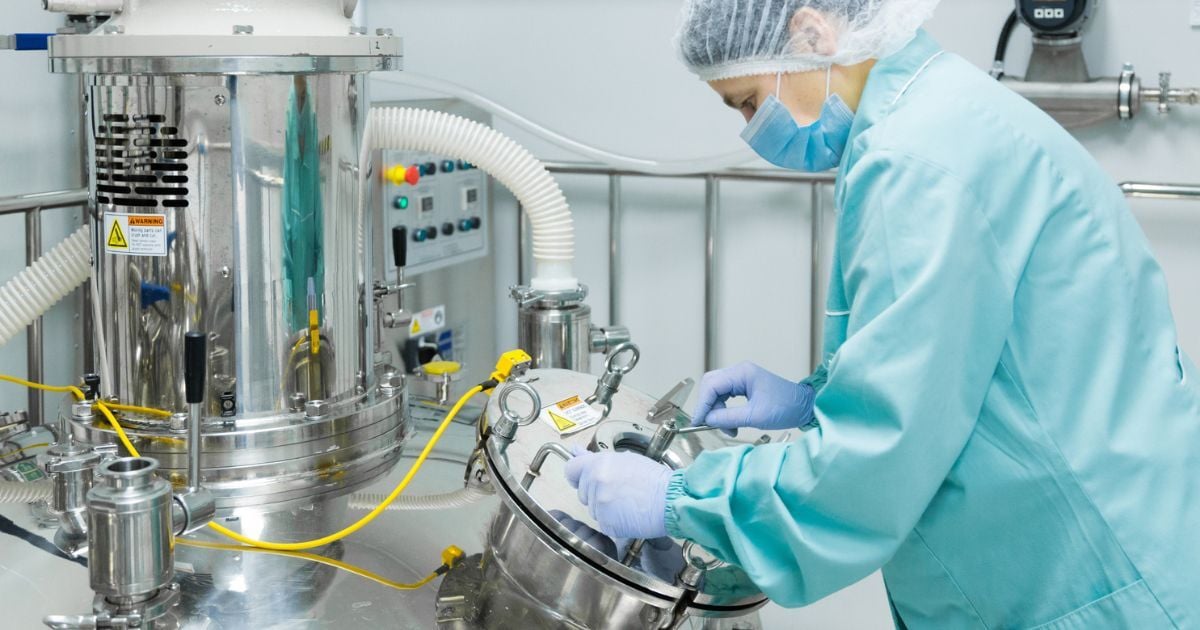
Lab contamination does not always begin with an obvious spill or an improperly stored material. It can happen at smaller points throughout the process, including a connection that holds residue, a transfer that exposes material to the environment, or a vessel that is difficult to drain and clean. Protecting materials means looking at the full path they take through your lab.
Why Material Handling Should Be Treated as One Connected Process
Each time you move material, it comes into contact with more equipment. A simple transfer might involve a vessel, a hose, a pump, a valve, fittings, and a second vessel. Every surface along that path can affect the material.
More contact points create more opportunities for contamination, material loss, or unwanted exposure. Small amounts of material may also remain behind in equipment after a transfer. These effects add up when a process involves several transfers. Looking at the complete path helps you spot where unnecessary contact or handling may be creating problems.
A useful way to evaluate material handling is through three connected stages: Containment → Transfer → Stability. Containment looks at where the material is held, transfer looks at how it moves, and stability looks at whether its condition changes along the way.
Containment: Where and How Should Lab Materials Be Stored?
Good lab material storage starts with choosing a vessel and setup that fit the material, operating conditions, and the next steps.
Choose the Right Vessel for the Material and Process
Start by checking whether the vessel materials are compatible with what you plan to store. The wrong material can react with the contents, degrade over time, or introduce unwanted material into the process.
You should also consider:
- Volume and headspace: Choose a capacity that covers the required volume while accounting for any required headspace.
- Pressure or vacuum: If the vessel will operate under pressure or vacuum, it must be designed for those conditions.
- Temperature: Consider both the required storage temperature and the vessel's ability to handle expected temperature changes.
- Access: Materials that need frequent sampling, mixing, or transfer may require different ports or access points.
- Cleaning: Consider how easily you can drain, reach, inspect, and clean surfaces that come into contact with the material.
These factors help you choose a vessel based on the full process rather than capacity alone.
For more about containment, read Conical Tanks vs. Brite Tanks and Solvent Tanks and Storage Vessels.
Control Exposure While Materials Are Being Stored
The vessel is only one part of containment. How you close and access it can also affect how well the material stays protected.
Look at seals, lids, ports, and connections as part of the storage setup. A poor seal or a frequently opened lid can expose the contents even when the vessel itself is a good fit.
Also consider how the material will enter and leave the vessel. Closed connections and dedicated ports can reduce the need to repeatedly open the vessel. This can be especially useful when the material needs protection from air, moisture, particulates, or other environmental exposure.
Separate Materials That Should Not Be Stored Together
Some materials require separate storage because they pose safety or contamination risks if they mix, leak, or come into contact with other materials.
Check each material's Safety Data Sheet (SDS) and follow applicable regulations, facility procedures, and storage requirements. Depending on what your lab handles, this may require separate hazardous material containment or other chemical storage solutions.
Once materials are stored appropriately, the next question is how to move them without adding unnecessary contact, exposure, or loss.
Transfer: What Happens When Material Moves Between Equipment?
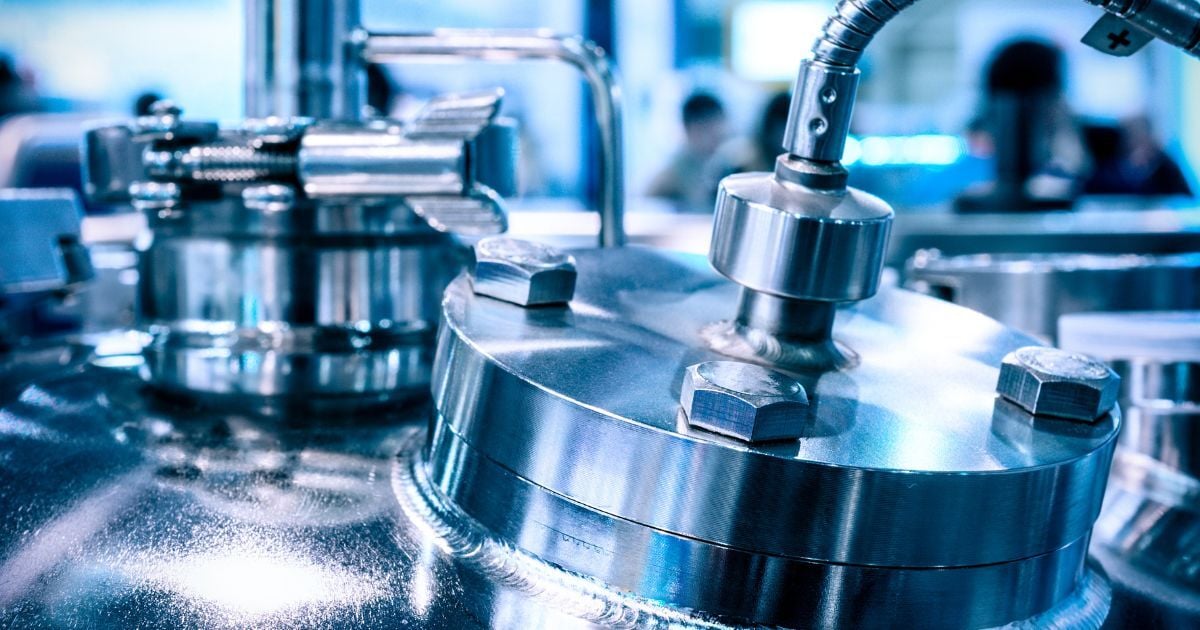
Once material leaves storage, the transfer path becomes part of the process. The method you use and every surface along the way can affect the risk of contamination, material loss, and how easily the system can be cleaned between runs.
Choose a Transfer Method That Fits the Process
The best transfer method depends on the material and where it needs to go. Common options include gravity, pumps, and pressure-assisted transfer where appropriate.
Several factors can help guide the choice:
- Viscosity: Thicker materials may need more force to move at the desired rate.
- Distance: Moving material across a longer path can affect the equipment and pressure needed.
- Flow requirements: Some processes need controlled flow, while others only need material moved from one vessel to another.
- Material sensitivity: Materials that are sensitive to air, heat, or physical stress may require more controlled handling.
- Equipment configuration: Vessel height, available ports, piping, hoses, and receiving equipment can limit which methods are practical.
Watch Every Surface the Material Touches
Material not only touches the storage and receiving vessels. It may also pass through hoses, tubing, pumps, valves, fittings, gaskets, and other components.
These transfer surfaces can become hidden sources of lab contamination if residue accumulates or cleaning is incomplete. A small amount of material left in a hose, valve, or pump can potentially carry over into the next batch.
Also, consider whether each part can be cleaned effectively, not simply whether it is technically cleanable. Long hoses, hard-to-reach areas, complicated connections, or components that do not drain well make residue harder to remove and inspect.
Looking at the full transfer path helps you identify these less-obvious buildup points before they become recurring problems.
Reduce Residue, Exposure, and Transfer Losses
After a transfer, some material may remain inside hoses, pumps, vessels, valves, or other components. This remaining material is often called hold-up.
Long or complicated transfer paths create more places for material to collect. Incomplete drainage increases these losses, while leaks or evaporation may reduce the amount reaching the next stage.
A simpler transfer path can reduce these problems. Keep hoses and connections to the length and number the process actually requires while still allowing safe operation, cleaning, inspection, and maintenance.
Open transfers can create another source of contamination. Pouring between open containers or repeatedly opening vessels may expose material to dust, moisture, air, or other contaminants in the surrounding environment.
Closed or controlled transfers reduce this exposure when the material and process call for it. The right level of control depends on what you are moving and how sensitive it is to its surroundings.
The aim is not to eliminate every connection, but to build a transfer path where each component has a clear purpose and the material can move through it with as few obstacles as possible.
Stability: What Can Change While Material Is Stored or Moved?
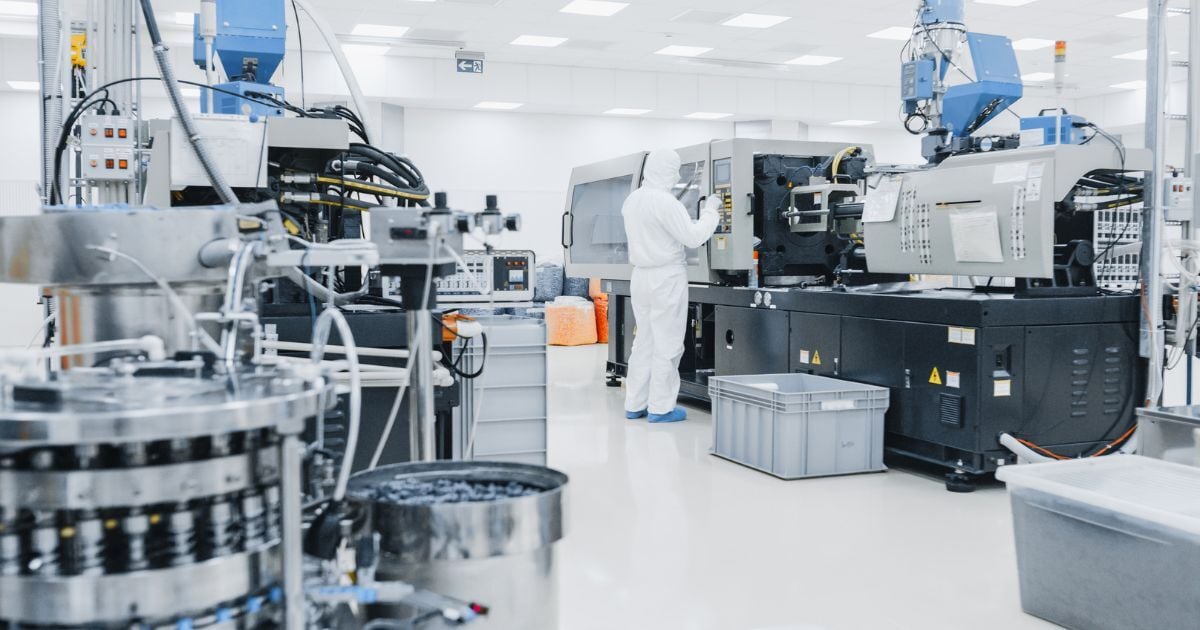
Storage is not only about keeping material contained until you need it. You also need the material to reach the next process in the expected condition. Temperature, environmental exposure, and time all affect what happens while material sits or moves through the lab.
Temperature Can Change Material Behavior
Some materials need to stay within a specific temperature range during storage. Depending on the material, temperature changes can affect viscosity, stability, separation, or other physical properties.
Temperature can matter during transfer, too. Material may leave a controlled storage environment and pass through hoses, pumps, or other equipment before reaching the next vessel.
Consider the conditions across the full path. If temperature affects how the material behaves, storage and transfer equipment should support the range the process requires.
Exposure Can Change Composition or Reduce Material
Some materials are sensitive to oxygen, moisture, light, or other environmental conditions. Repeatedly opening a vessel or using open transfer methods increases that exposure.
Volatile materials create another concern. If material evaporates during storage or transfer, the process may lose volume or experience changes in concentration.
The amount of protection needed depends on the material. Sealed vessels, appropriate connections, and controlled handling help limit exposure when the process requires it.
Settling and Separation Can Occur During Storage
Materials do not always remain uniform while they sit. Suspended solids may settle, while some mixtures can separate into layers over time.
The longer a material stays in storage, the more important it becomes to understand how its condition may change before the next stage. A material that looked uniform when it entered a vessel may not be in the same condition when it leaves.
Consider storage time and the material's tendency to settle or separate when planning the next step. This helps you determine whether the material is ready to transfer or needs additional preparation first.
How Can Labs Build a Better Material Handling System?
A better material handling system starts by looking beyond individual pieces of equipment. Trace what happens from the moment material enters your lab until it reaches its final vessel.
Map the Complete Material Path
Start by drawing or writing out the route your material follows:
- Initial container → storage vessel → transfer equipment → processing equipment → transfer equipment → final vessel
Then look at each stage from the material's point of view. Ask:
- What does the material contact? Include vessels, hoses, pumps, valves, fittings, seals, and other surfaces.
- Could anything enter the material? Look for open connections, residue, difficult-to-clean areas, or other possible sources of contamination.
- Could material be lost? Check for places where material can remain behind, leak, evaporate, or drain poorly.
- Could temperature or exposure change it? Consider what happens during storage as well as transfer.
- Does the next process receive the material in the condition expected? A successful transfer involves more than moving the required volume.
- Can the material reach the next stage with fewer transfers or contact points? Removing unnecessary steps may reduce opportunities for contamination and loss.
This simple audit can help you identify hidden contamination points, recurring buildup, and inefficient transfer paths before deciding what needs to change.
Choose Storage and Transfer Equipment as One System
Once you understand the complete material path, consider whether the equipment supports it in its entirety.
A storage vessel, for example, needs more than the right capacity. Its ports and connections should work with the pumps, hoses, valves, fittings, seals, and receiving equipment used later in the process.
Cleaning and maintenance should also be factored into the setup. Check whether equipment drains fully, whether product-contact surfaces are accessible for cleaning and inspection, and whether components can be serviced without unnecessarily complicating the system.
Planning these pieces together helps you build a system that meets the material's actual needs. It can also make it easier to adapt the process as volumes, equipment, or handling requirements change.
Protect Materials at Every Stage of the Process
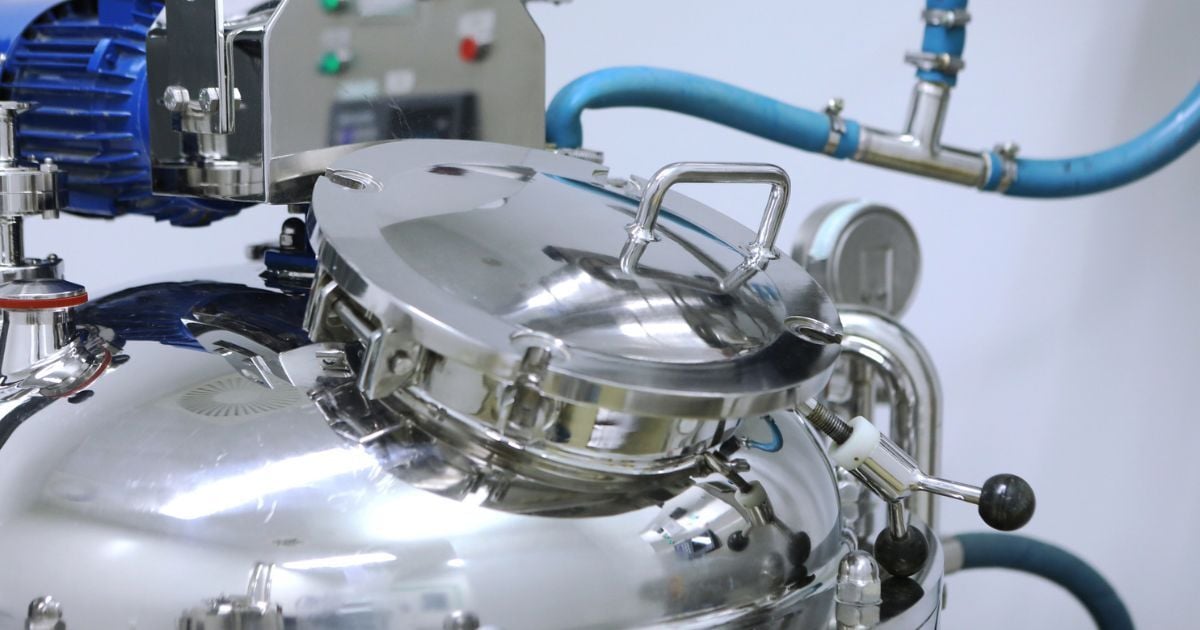
Protecting materials throughout the lab means looking at containment, transfer, and stability as one connected process. This can help you identify hidden sources of contamination and make more informed decisions about equipment.
USA Lab carries tanks, vessels, pumps, hoses, valves, fittings, and other lab equipment to help you build a more compatible material-handling system. Explore our equipment to find components that meet your process needs.