
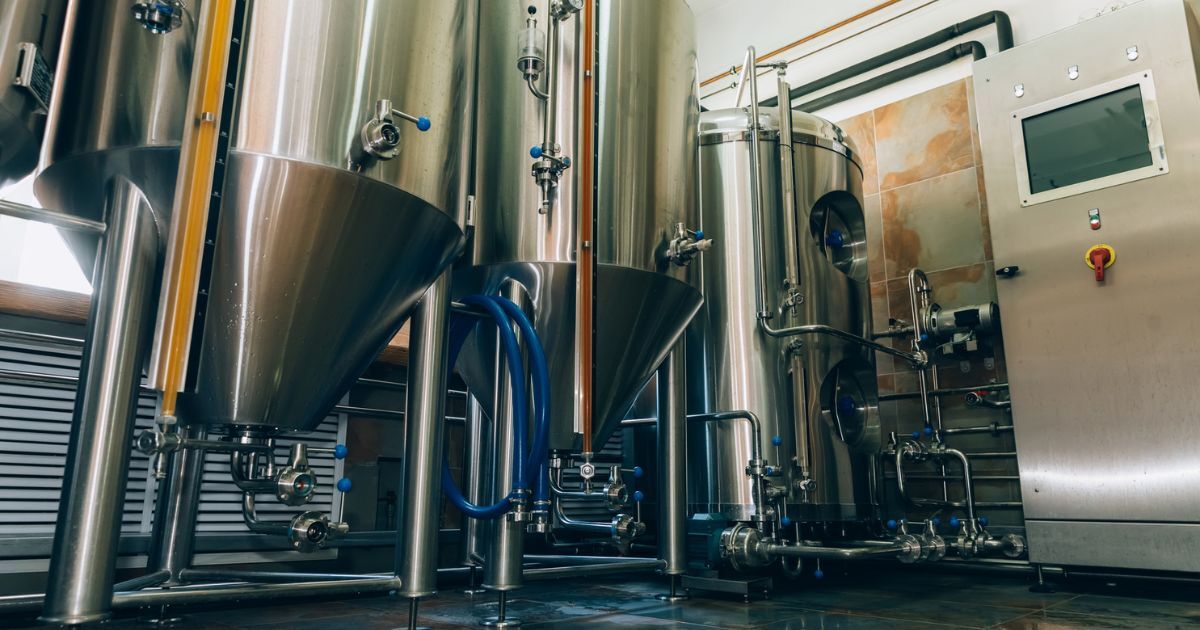
Conical tanks and brite tanks may look similar, but they serve different purposes in the brewing process. Choosing the right one depends on what you need the tank to do, whether that's fermenting a new batch or clarifying, carbonating, and preparing a finished beverage for packaging.
What Role Does Each Tank Play in the Brewing Process?
Conical tanks and brite tanks are not interchangeable because they serve different purposes at different points in the brewing process. Understanding where each tank fits makes it easier to plan your production workflow and choose equipment that supports each stage.
Conical Tanks Are Built for Fermentation
A conical tank is used during primary fermentation, when yeast converts sugars into alcohol and carbon dioxide. This is one of the most active stages of beverage production, so the tank needs to support fermentation while making it easier to remove yeast and sediment.
As fermentation progresses, yeast, trub, and other sediment settle toward the bottom of the tank. The cone-shaped base allows these materials to collect in one place, making them easier to remove without disturbing the liquid above. This also makes yeast harvesting and cleaner transfers more practical for future batches.
Brite Tanks Prepare the Product for Packaging
Once fermentation is complete, the beverage is typically transferred to a brite tank. At this stage, the focus shifts from fermentation to preparing the finished product for serving or packaging.
A brite tank provides a controlled environment for clarification, carbonation, and conditioning. These finishing steps help improve appearance, stabilize carbonation, and get the beverage ready for bottles, cans, kegs, or other containers. Separating fermentation from finishing also gives you more control over the final product before it leaves your facility.
How Do Operating Conditions Differ?
Because each tank performs a different job, it operates under different pressure and temperature conditions.
Pressure Requirements
During fermentation, pressure may be managed depending on the process, tank design, and desired results. While many conical tanks are pressure-rated, their primary purpose is fermentation rather than long-term carbonation.
Brite tanks, on the other hand, are designed to hold finished beverages under pressure. This allows carbonation levels to be established and maintained throughout conditioning, storage, and preparation for packaging or serving.
When comparing pressure-rated systems, it is important to consider how you plan to use the tank. A vessel intended primarily for fermentation does not offer the same advantages as one designed specifically for carbonation and product finishing.
Temperature Regulation Throughout Production
Temperature regulation is important throughout beverage production, but the goals change from one stage to the next.
In a conical tank, temperature control helps create the right environment for fermentation. Keeping temperatures within the desired range supports consistent yeast activity and helps produce the intended flavor profile.
In a brite tank, temperature regulation focuses on preserving beverage quality after fermentation. Stable temperatures help maintain carbonation, support clarification and conditioning, and keep the beverage ready for packaging or serving.
Can One Tank Perform Both Jobs?
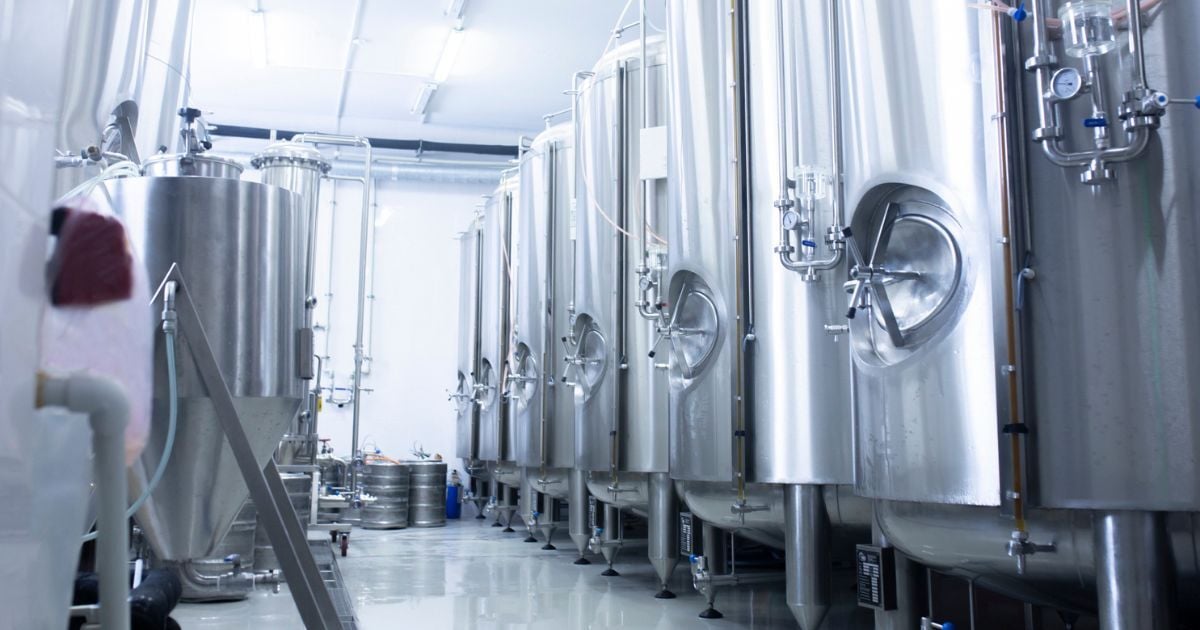
In some situations, yes. A pressure-rated conical tank can sometimes perform some of the functions of a brite tank, particularly in smaller operations or when equipment is limited. However, there are trade-offs to relying on a single tank for every stage of production.
For example, some brewers use a conical tank to carbonate and temporarily hold a finished beverage before packaging. This can reduce equipment costs and eliminate an extra transfer.
The limitation is that a conical tank is still designed primarily for fermentation. If the tank is occupied with conditioning or storing finished product, it cannot be used to start the next batch. The features that make a conical tank effective for yeast collection and sediment removal also differ from those that make a brite tank well suited to carbonation and product finishing.
Using separate tanks also helps create a more efficient workflow. While one batch is being carbonated or prepared for packaging in a brite tank, another batch can already be fermenting in a conical tank. This separation reduces production bottlenecks, keeps batches moving through production, and makes it easier to increase output as your operation grows.
If you expect production to expand or want greater consistency from batch to batch, dedicated fermentation and finishing equipment is often the more practical long-term solution.
Choosing the Right Tank for Your Process
Neither a conical tank nor a brite tank is inherently better. Each supports a different stage of production, so the right choice depends on where the tank fits within your workflow.
Whether you're expanding an existing system or building a new one, USA Lab Equipment offers stainless steel brewing tanks to help you create a beverage production setup that fits your current needs and supports future growth.