
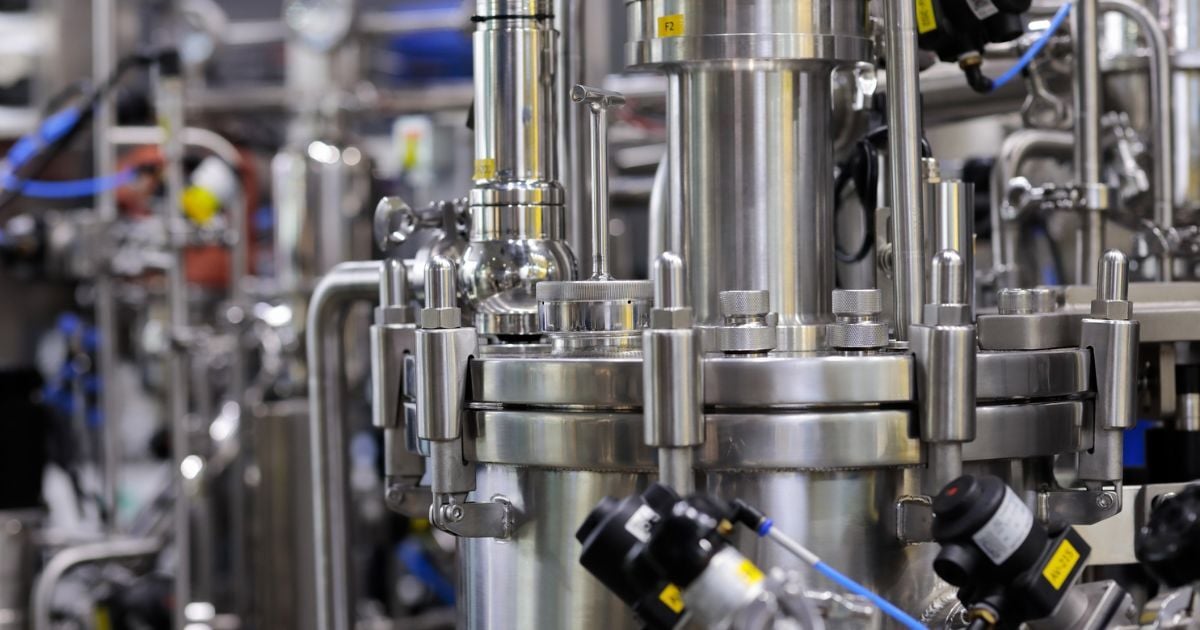
Building a complete lab system involves more than selecting reactors, pumps, filters, or vacuum equipment. Those components perform the primary work, but they rely on dozens of smaller parts to function as one reliable system.
Every connection between pieces of equipment matters, from fittings and gaskets to clamps and valves. If one of those parts is poorly matched or installed incorrectly, it can affect the performance of the entire assembly.
Instead of viewing clamps, gaskets, valves, and fittings as individual accessories, think of them as the components that hold the entire system together. When they are selected carefully and work well together, your lab system is easier to maintain, more reliable, and better prepared for future changes.
What Role Do Clamps, Gaskets, Valves, and Fittings Play?
Each component in a lab system has a specific job: creating secure connections, controlling flow, and making the system easier to maintain.
Fittings Create the Flow Path
Fittings connect the major pieces of your lab system. They create the pathways that allow liquids, gases, or a vacuum to move from one component to the next.
They also help you adapt your system as needed. For example, you may need to connect different tubing sizes, transition between connection standards, or change the flow direction. Choosing the right fittings helps create secure, compatible connections and makes future modifications much easier.
Gaskets Create Reliable Seals
A gasket sits between two connected components and forms the seal that helps prevent leaks or vacuum loss.
Not every gasket is suitable for every application. Material compatibility, operating temperature, and chemical exposure all affect gasket performance. Choosing a gasket designed for your operating conditions helps maintain sealing integrity and reduces the likelihood of premature wear or replacement.
Clamps Secure Every Connection
Once components are connected, clamps hold them together with consistent pressure. This compression helps keep the connection stable while the gasket forms the seal.
Many clamp designs also make it easy to assemble and disassemble sections of the system. That can save time during routine cleaning, maintenance, or equipment changes. A properly selected clamp also helps keep connected components aligned, reducing unnecessary stress on the connection.
Valves Control Flow and Isolation
Valves let you control how materials move through your lab system. You can use them to start or stop flow, direct material through different sections of the system, or isolate equipment for maintenance.
For example, if one component needs servicing, a valve may let you shut off only that section, rather than taking the entire system offline. This flexibility can reduce downtime and make routine maintenance much easier.
Common Problems That Limit Lab System Performance
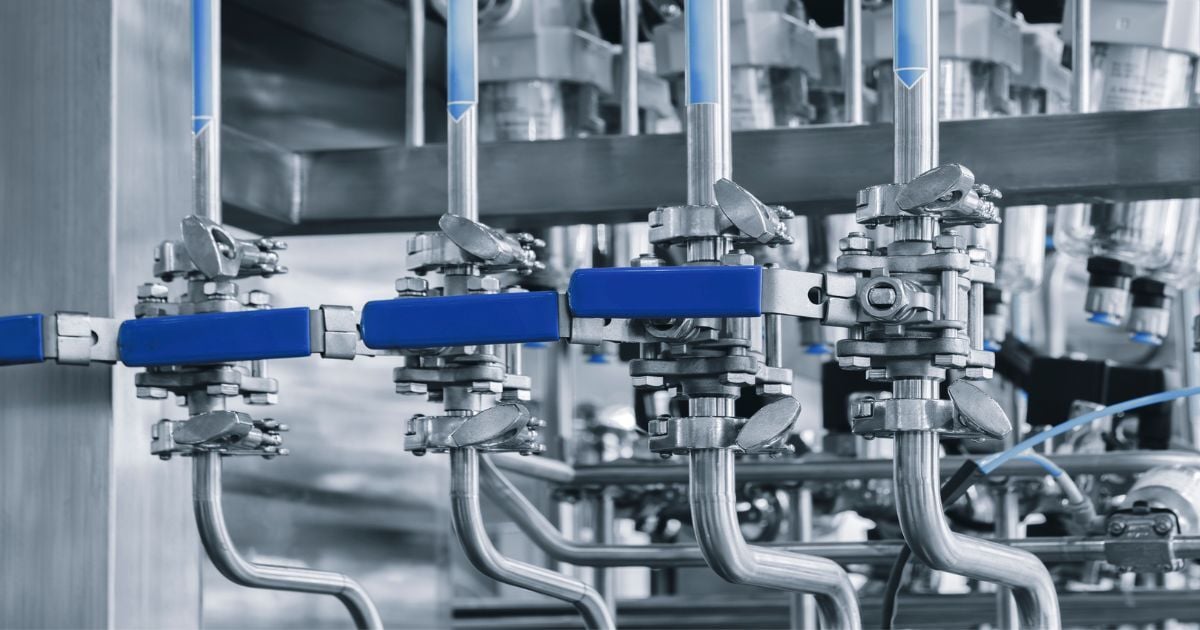
Most reliability issues occur at the connections between components. They often come from small oversights during assembly. Taking time to select compatible components and plan the layout carefully can help you avoid unnecessary maintenance, downtime, and future modifications.
Mixing Incompatible Connection Standards
Not every connection standard is designed to work with another. Mixing KF, ISO, Tri-Clamp, or other connection types without the proper adapters can create compatibility problems or prevent components from connecting at all.
Before purchasing parts, verify the connection standard and size for each piece of equipment.
Choosing the Wrong Gasket or Clamp
A gasket or clamp that does not match the application can lead to poor sealing, premature wear, or repeated maintenance.
For example, gasket material should be compatible with your operating temperatures and the chemicals used in your process. Clamps should also match the connection type and provide consistent compression across the sealing surface. Selecting the right combination helps create a reliable seal and reduces the chance of leaks.
Leaving Components Unsupported
As a lab system grows, the weight of tubing, valves, and connected equipment can place extra stress on fittings and connection points.
Using stands, supports, or other mounting hardware helps keep components aligned and reduces unnecessary strain. This can improve long-term reliability while protecting both the connections and the equipment they support.
Creating a Layout That Is Difficult to Service
A system may fit together perfectly and still become frustrating to maintain. If clamps are blocked, valves are difficult to reach, or components cannot be removed, routine maintenance becomes slower and more disruptive.
Leaving enough space to access key connections makes cleaning, inspections, repairs, and future upgrades much easier. A layout designed with maintenance in mind often saves more time over the life of the system than one built only to maximize available space.
How to Choose Components for Your Lab Setup
The components you need depend on your equipment, operating conditions, and future plans.
1. Identify your connection standard.
Start by identifying the connection standard used throughout your system. KF, ISO, and Tri-Clamp components are designed for different applications and are not always directly compatible or may require an adapter.
2. Match components to your operating conditions.
Components should be selected for the conditions they will actually experience during operation. Consider factors such as:
- Vacuum requirements
- Operating temperatures
- Chemical compatibility
- Pressure requirements
3. Plan for maintenance and expansion.
Planning for those changes during the initial lab equipment setup can make future upgrades much easier. It is often helpful to keep commonly used replacement parts on hand, including fittings, gaskets, clamps, valves, and adapters that match your existing system.
Thinking ahead also makes it easier to expand the system without replacing large sections of your original setup.
Build a Lab System That Is Ready for the Long Term
A reliable lab system is built one connection at a time. While reactors, pumps, and other major equipment do the primary work, clamps, gaskets, valves, fittings, and supporting hardware help determine how well the entire system performs.
If you're building or upgrading a lab system, explore USA Lab's selection of fittings, clamps, and other parts to create a setup that is that is reliable, easy to maintain, and ready to grow with your operation that is reliable, easy to maintain, and ready to grow with your operation.