
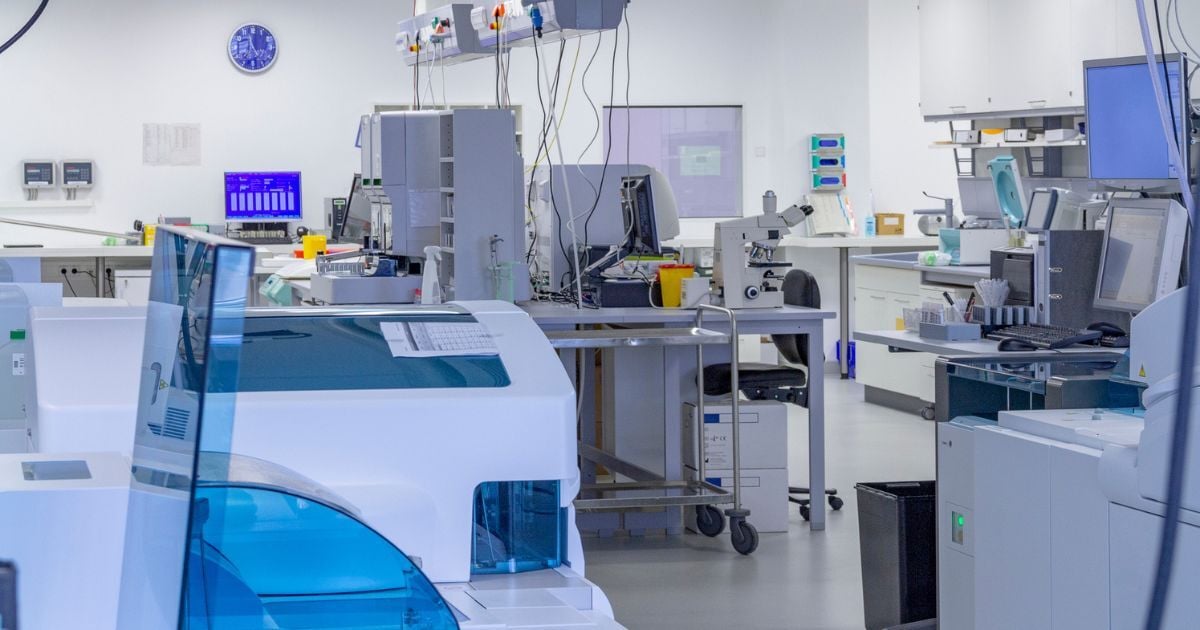
Pilot scale is where many processes start to feel unstable. A method that worked well at bench scale suddenly behaves differently, and what once felt predictable now requires constant adjustment.
This shift catches many labs off guard. Pilot-scale lab equipment is often treated like a larger version of bench tools. But the pilot stage is not just about increasing size. It is also about increasing stress.
What Is Pilot-Scale Lab Equipment?
Pilot-scale lab equipment bridges research and development tools with full-production systems. It lets you test scalability, repeatability, and operational limits under higher load and longer duty cycles before moving into full manufacturing.
Pilot-scale lab equipment is designed to scale processes up in a controlled manner. You are no longer proving a concept. You are proving whether that concept holds up under pressure.
At this stage, you typically work with:
- Larger vessels and reactors – Stainless steel tanks, jacketed reactors, and extraction systems that handle more material and higher heat loads.
- Increased throughput – More volume per batch or per run, which changes how heat, flow, and mixing behave.
- Extended runtime – Systems run longer and harder, which exposes wear, utility strain, and control limitations.
- Closer approximation to real-world manufacturing – Equipment begins to reflect the geometry, automation level, and process flow you would use in production.
You are still in a lab environment, but you are no longer using small-scale research and development tools. Instead, you are working with equipment that increasingly resembles real manufacturing systems, including more advanced batch-processing technology and tighter process controls.
This is where theory meets reality. If something breaks, drifts, overheats, or becomes inconsistent, pilot-scale lab equipment is designed to surface that early before you invest in full-scale production.
Why Pilot-Scale Feels Harder Than Expected
Pilot-scale lab equipment often feels harder than you expected, but that’s not a failure. The pilot stage puts pressure on your process to reveal weaknesses that smaller systems do not.
Bench Success Doesn’t Equal Pilot Stability
You can have clean, repeatable results at bench scale and still struggle at pilot scale. That’s because physics changes as you scale.
- Surface-area-to-volume ratios shift – Heat and mass transfer behave differently when volume increases. What cooled quickly before may now retain heat.
- Mixing dynamics change – Agitation that worked in a 2L vessel may not create uniform flow in a 50L or 100L system.
- Heat transfer behaves differently – Jackets, coils, and chillers must handle higher thermal loads over longer periods.
- Load stresses increase – Pumps, seals, gaskets, and motors work harder and longer.
Bench-scale often hides process stress because they run short cycles and operate under light load. When you move into pilot-scale lab equipment, you are not just repeating your experiment at a larger size. You are testing whether your process holds up under real operating conditions.
Pilot Systems Surface Problems You Didn’t Know You Had
Pilot systems act like a stress test for your process. You may discover:
- Thermal bottlenecks – Heating or cooling systems cannot keep up once volume increases.
- Pump limitations – Flow rates drop under higher viscosity or longer transfer distances.
- Control lag – Sensors and controllers react slower than your process needs.
- Material compatibility issues – Gaskets swell, coatings degrade, or solvents behave differently under extended exposure.
These issues are not new. It’s just that the bench scale didn't push hard enough to reveal them. If something struggles at pilot scale, that is valuable information for your process. It gives you the chance to fix constraints before you invest in full production or scalable manufacturing solutions.
When Is It Time to Upgrade to Pilot-Scale Equipment?
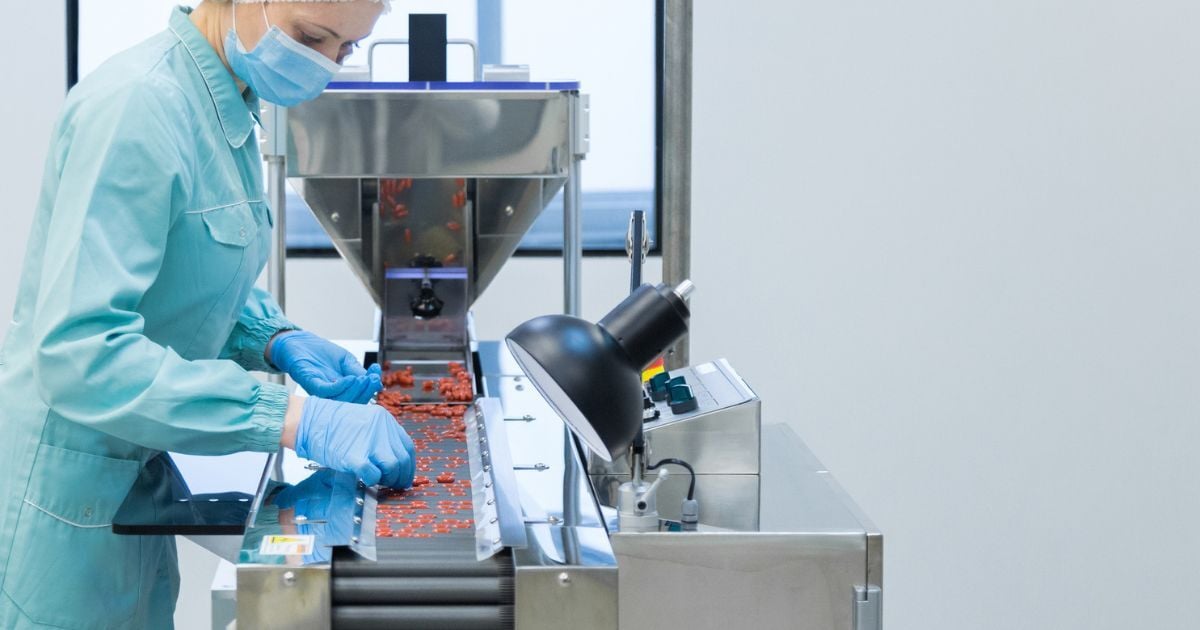
You’re ready for pilot-scale lab equipment when repeatability matters more than flexibility and when throughput begins affecting revenue.
Here’s how you know the transition is happening.
Bench Equipment Is Compensating With Labor
If your team is constantly adjusting temperatures, flow rates, or timing to keep runs stable, that’s a signal.
Manual corrections can hide process instability. At a small scale, that’s manageable, but at higher volume, it becomes risky and expensive. When labor is compensating for system limitations, it’s time to consider pilot-scale lab equipment.
Batch Size Keeps Increasing
If you keep pushing larger batches through bench equipment, you are already stress-testing them. You might notice longer heat-up or cool-down times, inconsistent mixing, or slower recovery rates.
Bench equipment is not designed for sustained load. If volume keeps creeping up, your process is asking for a more stable platform.
Documentation Requirements Increase
As you move closer to production, documentation becomes more important. You may need consistent batch records, repeatable temperature profiles, and data logging for validation.
Pilot systems provide the structure to support stronger process control and better data tracking. If you are preparing for regulated environments or investor scrutiny, moving to pilot scale becomes a logical step.
Downtime Becomes Costly
At early R&D stages, delays are inconvenient. At later stages, downtime affects revenue. If a failed seal, overheated motor, or unstable run now impacts delivery timelines or customer commitments, your risk profile has changed.
Pilot-scale lab equipment is designed for extended runtime and higher duty cycles. It reduces the strain small systems experience when pushed beyond their intended use.
The real question is not, “Can we keep using bench equipment?” It is, “Is bench equipment still aligned with where the business is going?” When consistency, capacity, and operational clarity start driving decisions, that is usually your cue to move into pilot.
If you're still unsure whether your process has outgrown small-scale equipment, our guide on how to know when benchtop lab equipment is holding you back explains the early warning signs to watch for.
The Most Common Pilot-Scale Equipment Pitfalls
Most issues with pilot-scale lab equipment do not come from bad science, but from underestimating what changes at higher volume, longer runtime, and real operating load.
Underestimating Heat Load and Thermal Control
Heat is one of the first things that breaks at pilot scale. A larger mass means a slower response. What heated or cooled in minutes at bench scale may now take much longer. That delay affects reaction timing, solvent recovery, and product consistency.
Common problems include:
- Cooling systems that cannot remove heat fast enough
- Jackets that struggle to maintain a uniform temperature
- Condensers or chillers that do not match the actual duty cycle
Modern process automation technology (including temperature sensors, feedback loops, and controller tuning) becomes more important at pilot scale. If your control system reacts too slowly or overshoots targets, small deviations can turn into batch variability.
Ignoring Utility Requirements
Many labs upgrade vessels but forget to upgrade infrastructure. Pilot-scale lab equipment often demands:
- Higher electrical load
- Increased compressed air
- Greater vacuum capacity
- Higher and more stable water flow
A larger reactor or extraction system is only as reliable as the utilities feeding it. If your vacuum pump cannot maintain depth under continuous load, recovery rates drop. If your electrical service cannot handle the startup draw, the motors strain. If cooling water fluctuates, temperature stability suffers.
Overlooking Duty Cycles
Bench runs are usually short and intermittent, but pilot runs are extended and repetitive. This difference matters.
Seals, motors, pumps, and bearings behave differently under sustained load. What worked fine for two-hour experiments may fail after eight-hour cycles, day after day.
Pilot-scale lab equipment must handle repetition. If it is not rated for the actual duty cycle you plan to run, you will see drift, leaks, or unplanned downtime.
Mismatch Between Equipment Capability and Process Reality
Sometimes the issue is misalignment. Examples include:
- Reactor geometry that does not support your mixing pattern
- Glass systems that struggle under solvent stress or thermal cycling
- Stainless steel systems selected without considering shear sensitivity
- Materials that react poorly with specific solvents
At pilot scale, geometry, material choice, and mixing design become more critical. For example, switching from glassware to stainless-steel systems can improve durability and long-term performance under load. But if shear forces increase, sensitive materials may behave differently.
Pilot-scale lab equipment should reflect how your process actually behaves, not how you hope it behaves.
Building a Pilot System That Supports Scale

If pilot scale is about exposure, then equipment selection matters. A pilot system should reflect how your process truly behaves under load. That means:
- Matching equipment to process chemistry and throughput.
- Planning for real duty cycles, not occasional runs.
- Confirming infrastructure can support sustained operation.
- Leaving room for future automation and expansion.
Whether you are working with stainless steel systems, lab extraction equipment, or broader processing equipment, the goal is the same: build a platform that clearly reveals limits and supports long-term decision-making.
High-quality new and used pilot-scale lab equipment can make that transition smoother, especially when the system is selected with scaling in mind from the start.
How to Evaluate Pilot-Scale Lab Equipment
1. Define True Throughput Requirements
This matters because equipment that handles 50L once a week is very different from equipment that handles 50L twice a day.
Ask yourself:
- What is the volume per batch?
- How many batches per week do you need?
- What is the target runtime per day?
2. Map Thermal and Mechanical Load
This step forces you to match equipment capacity with real mechanical and thermal demand. It also helps you identify where failures are most likely to appear under extended runtime.
Look at:
- Heat generation during reaction or extraction
- Cooling requirements during recovery
- Mixing torque at higher viscosities
- Pressure stability across the full cycle
3. Evaluate Infrastructure Compatibility
Many labs upgrade reactors or extraction systems without upgrading utilities. That creates hidden instability. Pilot-scale lab equipment must work within your facility, not just on paper.
Before selecting equipment, confirm your infrastructure can support it:
- Electrical service capacity
- Ventilation and exhaust
- Cooling water availability
- Vacuum depth and stability
4. Consider Future Automation
Finally, look ahead. If your pilot system cannot support automated control, you may face costly retrofits as you move toward scalable manufacturing solutions.
Ask:
- Is this system compatible with modern process automation technology?
- Can sensors, controllers, and data logging integrate easily?
- Will it scale into larger, coordinated systems later?
From Process Stress to Production Clarity
When you align equipment with chemistry, utilities, and future growth, pilot-scale operations stop feeling unpredictable. It becomes what it was meant to be: a structured step toward stable, scalable manufacturing.
If you are preparing to move beyond bench systems, consider pilot-scale lab equipment designed to handle real process demands.
Explore USA Lab Equipment’s pilot-ready systems: