
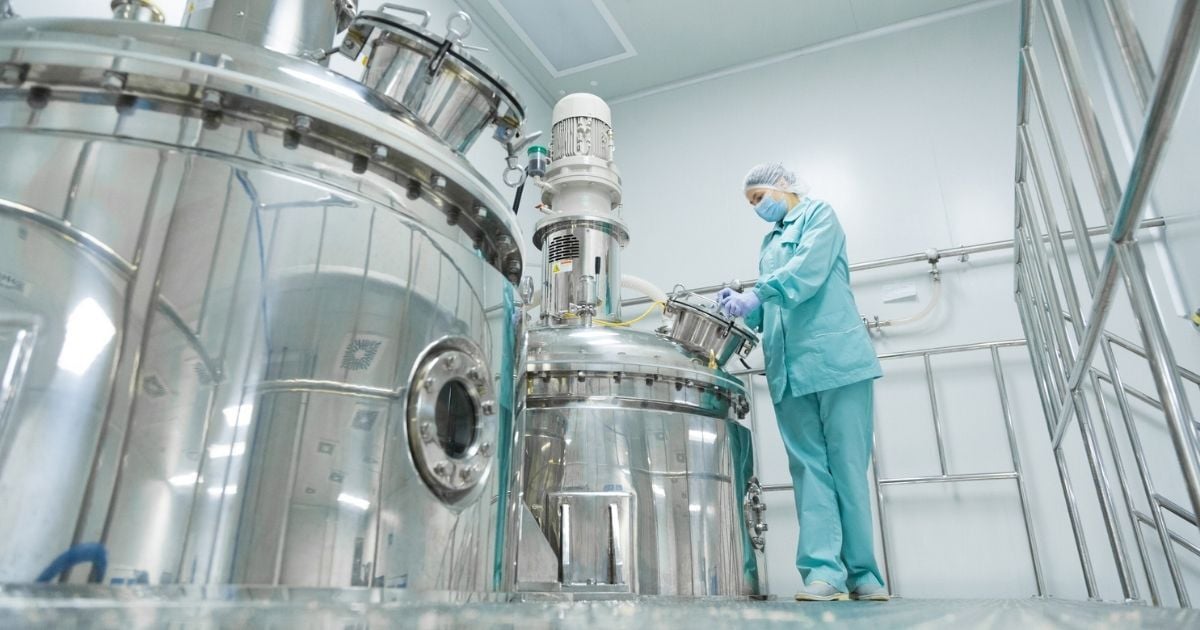
Lab contamination does not always start with an obvious spill or visibly dirty equipment. Residue can build up gradually inside hoses, around seals, along vessel surfaces, and in other parts of the system that are easy to overlook.
Over time, that buildup can affect how equipment operates, reduce process consistency, and carry unwanted material into later runs. Understanding where residue collects, how to recognize it, and why routine cleaning may not remove all of it can help you catch potential problems earlier.
How Lab Contamination Affects Equipment Performance
Lab contamination can affect equipment when residue builds up on surfaces, restricts flow, reduces heat transfer, or interferes with seals and moving parts. Even small amounts of buildup can change how equipment performs.
Buildup Can Change How Equipment Operates
Residue does not have to completely block a component to cause problems. A thin layer inside a hose, tube, valve, or fitting can reduce the available flow path, slowing material movement or making flow less predictable.
Buildup can also affect equipment that relies on heating or cooling. Residue on heat-transfer surfaces creates another layer between the equipment and the material. This can make it harder for the system to reach or maintain the intended temperature.
Seals and connections can develop similar problems. Material around gaskets, sealing surfaces, or connection points may prevent components from fitting together as intended. In some cases, this can contribute to leaks or difficulty maintaining pressure or vacuum.
Residue can also interfere with valves, pumps, and other moving components. These effects can develop gradually, so you may notice a small change in performance before there is an obvious equipment problem.
Contamination Can Affect Process Consistency
Consistent processes depend partly on equipment starting each run in a known condition. When residue builds up, it can change that starting point and introduce another variable into the process. Flow, temperature control, pressure, or vacuum performance may be affected by equipment condition rather than by process settings alone.
Repeatability becomes easier to maintain when equipment starts each run under consistent conditions. That also makes it easier to investigate other variables when process results change.
Where Residue Tends to Build Up
Residue often collects in places that are harder to see or reach during routine cleaning. Connections, internal transfer paths, and small openings deserve particular attention because material can remain there even when larger surfaces look clean.
Seals, Gaskets, Valves, and Connections
Gaskets, threads, valve seats, and other connection points create small spaces where material can collect. These joints and transitions are generally harder to inspect than a tank wall or other exposed surface.
Connections that are regularly taken apart also require careful handling. Residue can remain on individual components, while contact with dirty tools, gloves, or nearby surfaces can introduce new contaminants during reassembly.
Inspecting these parts individually during cleaning can help you catch buildup that might be difficult to see once the system is assembled.
Hoses, Tubing, and Transfer Paths
Hoses and tubing can hide residue along internal surfaces that are difficult or impossible to inspect during normal operation. Bends, low points, dead legs, and transitions between components are especially likely to retain small amounts of liquid or other material.
These areas are worth considering throughout the entire transfer path, including hoses, tubing, pumps, valves, and fittings. Residue left anywhere along that path can remain in contact with material during a later run.
Tanks and Storage Vessels
Tanks and storage vessels have large surfaces that are relatively easy to inspect, but smaller features can be overlooked. Outlets, lids, ports, drain points, and connections may retain material after the main vessel has been emptied.
Pay particular attention to places where the vessel connects to the rest of the system. Material that settles near an outlet or remains around a port may not be as obvious as residue on a vessel wall.
How Contamination Moves Through a Lab System
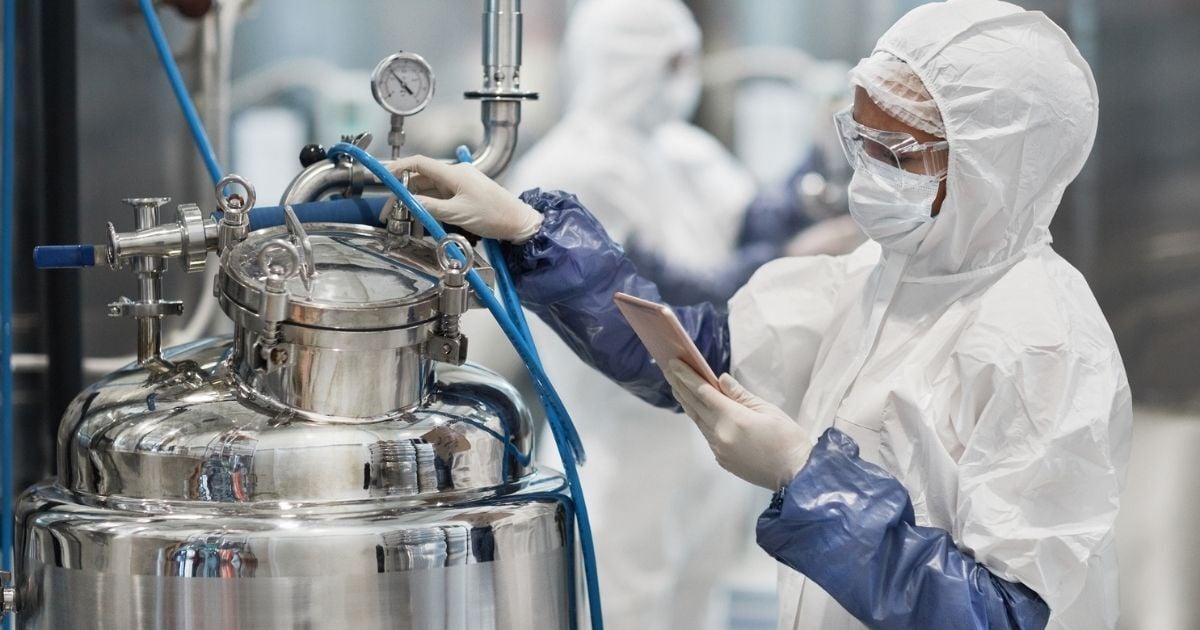
Residue or other contaminants picked up at one contact point can travel downstream, potentially affecting additional equipment and the material being processed.
Common Lab Contaminants Depend on the Process
Not every lab deals with the same contamination risks. Common lab contaminants depend on the materials being handled, the equipment used, and the surrounding environment.
Potential sources include:
- Residual process material: Small amounts left behind from a previous run can mix with new material.
- Oils, grease, or lubricants: Equipment may use these materials in certain components, creating a potential source of contamination if they reach the process path.
- Cleaning-agent residue: Cleaning products that are not fully removed can remain on equipment surfaces.
- Dust and environmental debris: Open equipment, containers, or transfer steps can expose material to contaminants from the surrounding workspace.
- Biological contaminants: Bacteria and other microorganisms may be a concern in applications where biological contamination is relevant.
Identifying the contaminants that matter for your specific process makes it easier to determine which surfaces and components need the most attention.
Cross-Contamination Can Happen Between Runs
Material carryover becomes a concern when residue from one run remains in equipment used for the next. Even if most of the previous material has been removed, traces left on shared equipment or transfer components can carry over into the next process.
Shared hoses, pumps, fittings, containers, and other accessories can increase the number of possible carryover points. Tools and handling practices can also introduce contamination if components come into contact with contaminated surfaces during cleaning, maintenance, or assembly.
Reducing lab contamination, therefore, requires looking beyond the main processing equipment. Anything that contacts the material between the beginning and end of the process can become part of the contamination path.
Why Cleaning Sometimes Leaves Residue Behind
Cleaning can leave residue behind when contaminants are difficult to see, equipment surfaces are difficult to reach, or the cleaning method does not effectively remove the material.
Clean-Looking Does Not Always Mean Clean
Visual inspection is useful, but it has limits. Thin or transparent films may remain on a surface without being easy to see, and very small amounts of residue may not be visible at all. Internal pathways create an additional limitation because some product-contact surfaces cannot be visually inspected during routine cleaning.
This makes appearance only one part of evaluating cleanliness. Labs may also need to consider what material was processed, where it traveled, and whether the cleaning procedure can reach those surfaces.
Equipment Design Can Make Cleaning More Difficult
Some equipment is simply easier to clean than others. Hard-to-reach areas, complex assemblies, narrow passages, and long transfer lines can make it more difficult to remove residue from every contact surface.
Components that require disassembly add another step. If parts need to be removed to access internal surfaces, the cleaning process must account for this rather than focusing only on readily accessible areas.
Cleaning Methods Need to Match the Material
Different types of residue may respond differently to the same cleaning method. A procedure that removes one process material effectively may not work as well on another.
The equipment itself also affects your options. Construction materials, gaskets, seals, and other components may limit which cleaning agents, temperatures, or methods can be used without causing damage.
Cleaning procedures should account for both the residue to be removed and the equipment to be cleaned. Following the equipment manufacturer's guidance and your facility's established procedures can help you select an appropriate method without damaging components.
The Warning Signs of Residue or Contamination
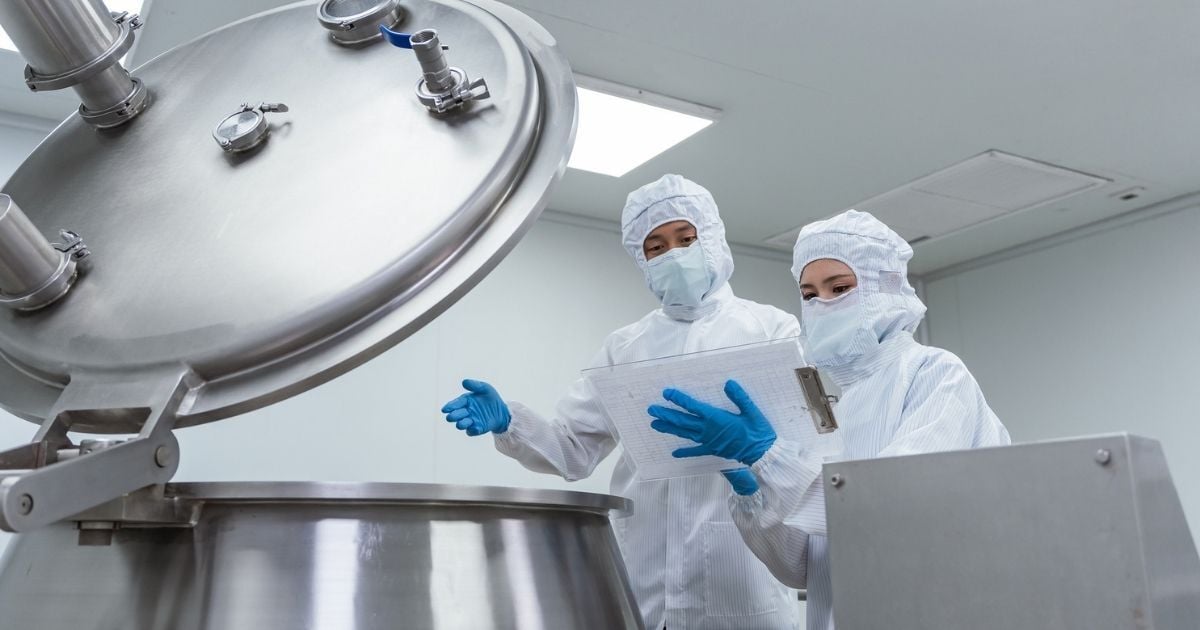
Changes in how your equipment operates or differences between otherwise similar runs can sometimes be an early sign that contamination is affecting the system.
Changes in Equipment Behavior
Pay attention when equipment begins behaving differently under the same operating conditions. Possible warning signs include:
- Slower or inconsistent flow: Buildup may be restricting part of the material path.
- Unexpected pressure or vacuum changes: Residue around connections, seals, or internal passages may interfere with pressure or vacuum stability.
- Difficulty maintaining temperature: Deposits on heat-transfer surfaces may reduce the effectiveness of heating or cooling.
- Leaking or unreliable seals: Residue on sealing surfaces can prevent components from making proper contact.
- Longer processing times: Changes elsewhere in the system may cause a familiar process to take longer than expected.
These symptoms can have many causes, so they do not automatically mean you have a contamination problem. However, unexplained changes warrant inspecting the equipment and considering residue as a possible cause.
Changes Between Runs
Sometimes the clearest warning sign is a process that stops behaving consistently. You might notice unexpected differences in output or operating conditions even though the material, settings, and procedure have not intentionally changed.
Patterns can provide useful clues. A problem that appears intermittently, improves after deeper cleaning, or disappears after replacing a gasket, hose, or other component may point toward buildup somewhere in the system.
Recurring residue after normal cleaning also deserves attention. If the same material keeps appearing, it may indicate that the current cleaning procedure is not fully reaching certain parts of the equipment or the transfer path.
Tracking these changes from run to run can help you identify potential contamination before it develops into a larger performance problem.
How Labs Reduce Contamination and Buildup
Labs can reduce contamination and residue buildup by making cleaning part of the normal workflow, inspecting areas where material tends to collect, and choosing equipment that can be cleaned and maintained effectively.
Build Cleaning Into the Workflow
Cleaning works best when you plan for it as part of the process. Establish procedures that account for the materials you handle and the equipment they contact between runs. Allow enough time to clean, rinse, dry, and inspect equipment before it goes back into service. Rushing these steps makes it easier to overlook residue or leave cleaning agents behind.
Where consistency matters, document the procedure so that equipment is cleaned the same way each time. Clear procedures also make it easier to identify where the process may need to change if residue keeps returning.
Pay Extra Attention to Hidden Contamination Points
Routine cleaning should address the areas most likely to retain material. Inspect gaskets, seals, valves, fittings, hoses, and other transfer components rather than assuming that cleaning the main vessel covers the entire system.
Some components may also need periodic disassembly or closer inspection. Check areas that are not visible during routine operation, and replace worn or damaged gaskets, seals, hoses, or other parts when needed.
Choose Equipment With Cleaning and Maintenance in Mind
Cleanability is also worth considering when selecting new equipment or expanding an existing system. Look at how easily you can access product-contact surfaces, remove components, and inspect areas where material could collect.
Material compatibility matters as well. Equipment, seals, hoses, and other components should be suitable for both the process material and the cleaning methods you plan to use.
Finally, consider how individual components affect cleanability across the entire system. Tanks, pumps, hoses, valves, and fittings form one material path, so cleaning and maintenance requirements should be evaluated across the complete system.
Cleaner Equipment Supports More Consistent Lab Operations
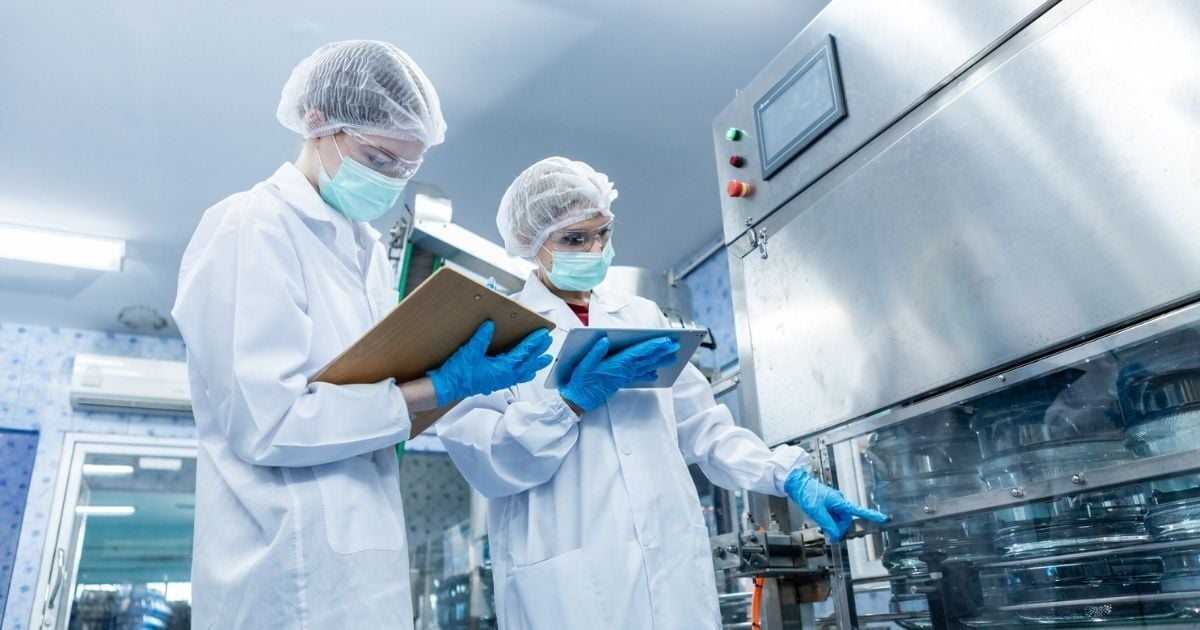
Paying attention to these areas, changes in equipment performance, and patterns between runs can help you identify residue before it contributes to larger process or maintenance problems.
When selecting or expanding your lab equipment, USA Lab can help you find equipment and components that fit your process, materials, and cleaning requirements. Considering those needs from the start will make contamination easier to manage and help support more consistent lab operations.