
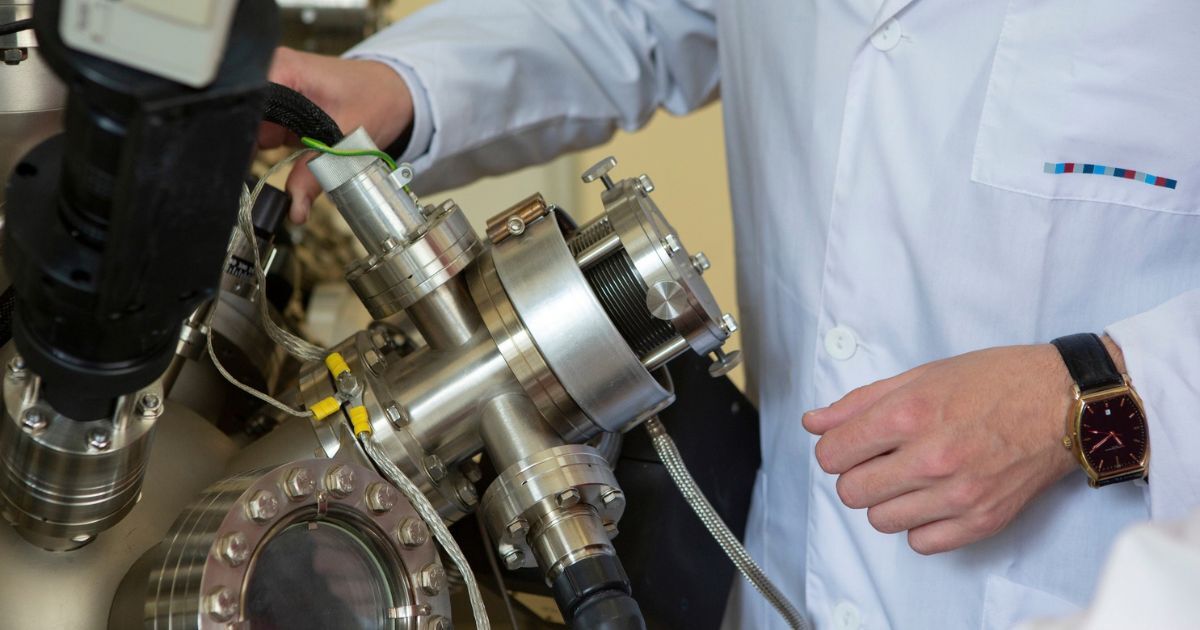
A system doesn't need a broken gasket or visible leak to lose performance. Small changes in seals, gaskets, and connections can reduce sealing integrity before anything looks wrong.
That's why seals and connections belong on the troubleshooting list when system performance changes. Before assuming a pump or another major component is failing, it helps to consider whether the sealed system is still maintaining the conditions the equipment needs to operate properly.
Why Seals and Gaskets Lose Their Ability to Seal
Gaskets don't always fail all at once. Their sealing properties gradually change as they're compressed, exposed to chemicals, and moved through repeated temperature changes. Understanding these causes will help you recognize why a gasket that still looks usable may no longer perform the way it once did.
Repeated Compression Changes the Material
A gasket seals by compressing between two mating surfaces and filling the small irregularities between them. The material needs enough resilience to maintain that contact as the system operates.
Repeated tightening, disassembly, and reuse gradually change the gasket's shape. Elastomeric and rubber seals can develop compression set, meaning they don't fully return to their original thickness after the pressure is removed.
Over time, a flattened or less resilient gasket may not conform to the mating surfaces as effectively. However, it can remain intact and show little obvious damage while providing a weaker seal.
Chemicals Can Change the Sealing Material
Process fluids, solvents, cleaning chemicals, and vapors can affect gasket materials differently. A material that performs well with one chemical may degrade when exposed to another. Depending on the material and exposure, chemical degradation can cause a gasket to:
- Swell, which changes its dimensions and fit.
- Harden, making it less able to conform to sealing surfaces.
- Soften, which makes it more prone to deformation.
- Crack or lose elasticity, reducing its ability to maintain a seal.
Changes in process materials or cleaning procedures can also change what the gasket has to withstand. For this reason, gasket compatibility matters throughout the system's life.
Thermal Cycling Creates Repeated Expansion and Contraction
Temperature changes affect both the gasket and the components around it. As materials heat and cool, they expand and contract at different rates.
Systems that repeatedly move between ambient and higher or lower temperatures put their seals through this cycle again and again. Over time, those changes affect how the gasket sits between the mating surfaces and how consistently it stays compressed.
High-temperature gaskets are designed for operating conditions where heat could otherwise cause materials to lose their sealing properties. So material choice becomes especially important when temperatures exceed what standard elastomers can reliably tolerate.
Connections Can Lose Integrity Even When the Gasket Is Still Good
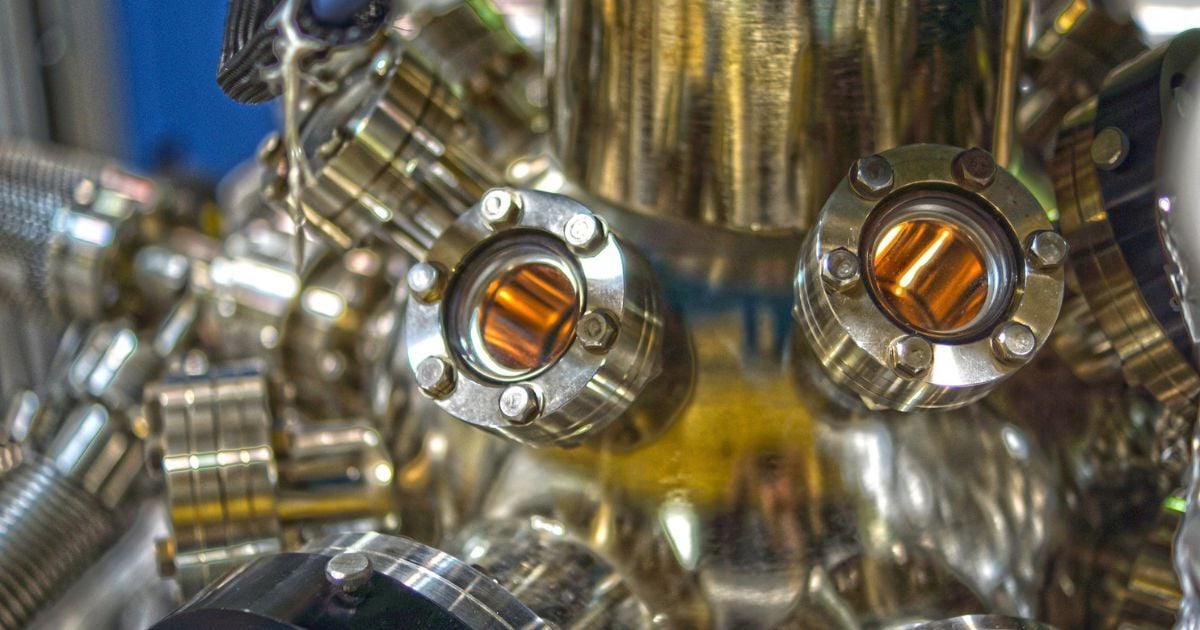
A good gasket can't compensate for every problem elsewhere in a connection. The gasket, mating surfaces, and hardware all need to fit together to maintain a reliable seal.
This means a sealing problem doesn't always point to worn or degraded gasket material. How the connection is assembled and maintained matters too.
Alignment and Seating
A gasket needs to sit evenly between clean, properly aligned mating surfaces. If components are misaligned or the gasket shifts during assembly, compression will not be distributed evenly around the connection.
Before blaming the gasket, check the complete assembly for:
- Correctly matched components: Gaskets, ferrules, flanges, and other connection parts should be the proper size and type for one another.
- Proper alignment: Mating surfaces should meet evenly rather than being pulled into position by the clamp.
- Clean sealing surfaces: Residue, debris, or buildup between surfaces interferes with gasket contact.
- Correct gasket placement: The gasket should be centered and seated properly before the connection is tightened.
- Ferrule or flange condition: Scratches, dents, corrosion, or other surface damage create paths that the gasket cannot seal.
Checking these points helps you determine whether the problem is actually the gasket or the connection around it.
Too Little or Too Much Compression Can Create Problems
A gasket also needs the right amount of compression. Too little clamp load leaves the gasket without enough compression to form a complete seal. Too much can deform the gasket or place unnecessary stress on the sealing material.
If a connection isn't sealing as expected, increasing the clamp load shouldn't be the automatic fix. Confirm that the components are correctly assembled and tighten them according to the specifications for that connection.
What Micro Leaks Can Do to System Performance
A micro leak may be too small to see, but that doesn't mean it's too small to affect the process. Tiny gaps at seals or connections can allow gases or vapors to move through a system that is supposed to remain sealed.
The symptoms depend on how the system operates. Under vacuum, outside air may enter. Under pressure, gas or vapor may escape. Either way, the equipment has to work against a condition that shouldn't be there.
Vacuum Systems Can Become Slower or Harder to Stabilize
A vacuum leak gives outside air a path into the system. The pump then has to remove incoming gas while also trying to reach or maintain the target vacuum.
You may notice:
- Longer pump-down times
- A vacuum that stalls above the expected level
- A vacuum that slowly rises after the system is isolated
- A pump running longer to maintain the same conditions
These symptoms make a healthy pump appear to be losing performance. Before assuming the pump itself is the problem, consider whether air could be entering elsewhere in the sealed system.
Pressure Systems Can Become Less Stable
Micro leaks also make it difficult for a pressurized system to maintain its target conditions. You might see gradual pressure decay or find that the system requires more frequent cycling or adjustment to maintain the desired pressure.
This makes connection integrity part of the overall process stability. If pressure isn't holding as expected, the problem may be somewhere along the sealed boundary rather than with the equipment controlling the pressure.
Containment Can Begin Breaking Down
Seals and connections also create the physical boundary that keeps gases, vapors, and liquids where they're supposed to remain. A micro leak means the boundary is no longer completely sealed, even if no visible material is escaping.
Maintaining sealing integrity, therefore, matters for more than vacuum or pressure performance. It also helps the system maintain its intended containment throughout the process.
How to Tell Whether Seals, Gaskets, or Connections Are the Problem

Changes from the system's normal performance will help you decide where to investigate first. A pump-down cycle that consistently took five minutes and now takes eight tells you more than simply noticing that the system seems slower.
You need to compare the current operation against a known baseline, then work through possible causes instead of immediately replacing components.
Look for Changes in System Behavior
These symptoms don't automatically prove a seal or connection has failed. They simply give you a more focused starting point for troubleshooting.
Start with changes you observe or measure. These include:
- Longer times to reach the expected vacuum
- Vacuum or pressure that gradually drifts
- Difficulty maintaining stable operating conditions
- Performance changes after disassembly or maintenance
- Temporary improvement after tightening or reseating a connection
Timing can provide another useful clue. If the problem appeared immediately after maintenance or reassembly, start by checking the connections that were recently disturbed.
Inspect the Entire Connection, Not Just the Gasket
Once you've identified a suspect connection, inspect the complete assembly. Check for:
- Gasket flattening, deformation, swelling, hardening, cracking, or residue
- The correct gasket size and material for the application
- Clean, undamaged mating surfaces
- Proper alignment and gasket seating
- Clamp condition and engagement
- Correct tightening or torque where specifications are provided
If nothing obvious appears, reseating the connection can help determine whether the assembly was contributing to the problem. Where the system allows, isolating individual sections can also help pinpoint where sealing integrity is being lost.
Protect Connection Integrity Before Performance Starts to Decline
You don't have to wait for vacuum, pressure, or process performance to change before paying attention to seals and connections. Routine maintenance gives you opportunities to catch deterioration before it begins affecting the system.
A few consistent habits can help:
- Inspect sealing components whenever you open a connection. Disassembly is a good time to check whether a gasket should be returned to service.
- Don't reuse a gasket based on appearance alone. A gasket can remain intact while losing resilience or becoming compression set.
- Match the material to the operating conditions. Consider chemical exposure, temperature, vacuum or pressure conditions, and cleaning procedures when choosing a gasket.
- Follow the same assembly procedure each time. Proper seating, alignment, and tightening help create consistent compression from one assembly to the next.
- Keep suitable replacement gaskets available. This makes it easier to replace components rather than reinstall them simply because there are no replacements on hand.
- Base inspection and replacement practices on actual use. Systems exposed to frequent disassembly, aggressive chemicals, temperature cycling, or demanding operating conditions need more attention.
Check the Connections Before Blaming the Equipment
When system performance starts to change, include seals, gaskets, and connections in your troubleshooting process. Checking these smaller components first may help you find the source of the problem before assuming a pump or other major piece of equipment is failing.
For routine maintenance or replacement parts, USA Lab carries gaskets, compression parts, and connection components for a range of conditions. Choose components based on your system's materials, temperatures, and operating requirements to help maintain a reliable seal.