
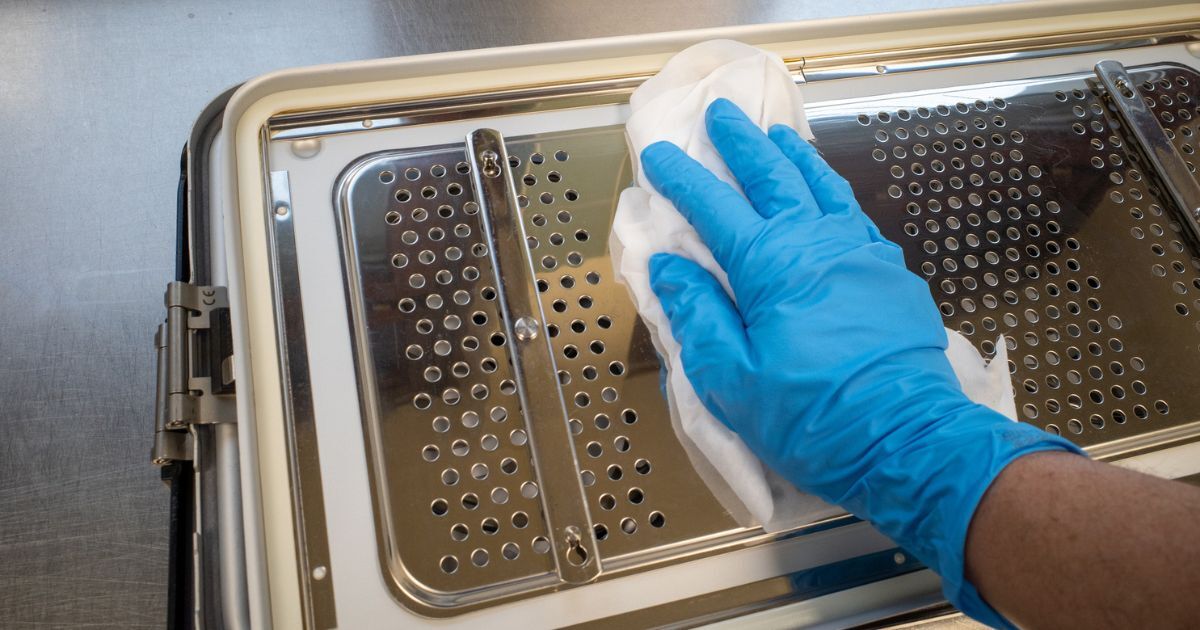
The right lab cleaning solvent depends on more than how powerful it is. Acetone may work well in one situation, while ethanol, detergent and water, or another solvent may be a better fit for the next.
A good choice should remove the residue without damaging the equipment or creating problems for the next step in your process. Here's how to compare your options and choose a cleaning solvent that fits the job.
How to Choose a Lab Cleaning Solvent
Before comparing acetone, ethanol, or other cleaning options, narrow down what the job actually requires.
Focus on three questions: What are you removing? What materials will the solvent contact? What needs to happen after cleaning?
Working through those questions can help you rule out poor matches and identify the options that make sense for your lab equipment and workflow.
1. Start With What You Need To Remove
Different cleaning agents dissolve or lift different types of contamination, so a solvent that works well for one job may do little for another.
- Oils, grease, adhesives, and other organic residues may require an organic solvent to dissolve them. The specific residue matters because not every organic solvent will dissolve every organic contaminant equally well.
- If the residue dissolves in water, water or a detergent solution may be a simpler choice. Routine washing can also remove general contamination before a final rinse with distilled or deionized water.
- A residue that is difficult to remove doesn't automatically require a stronger solvent. First, consider what the residue is and which cleaning agent can dissolve or loosen it. Dried material may also require a different cleaning method, longer contact time, or repeated cleaning rather than a more aggressive solvent.
2. Check Material Compatibility
A solvent may effectively remove the residue but still be a poor choice if it damages equipment. Before cleaning, consider every material the solvent could contact, not just the main surface.
This is especially important with assembled lab equipment. A vessel or housing may tolerate a solvent while nearby seals, tubing, fittings, or coatings do not.
Also, review the solvent’s Safety Data Sheet (SDS) for information on hazards, handling, storage, and other considerations for use. You can also check the Certificate of Analysis (COA) when you need to verify details about a specific batch, such as its tested purity or composition.
Glass and Metal Surfaces
Glass and many metal surfaces are common candidates for solvent cleaning, but you still need to consider the specific material and how it has been treated.
A metal component, for example, may have a coating, finish, or bonded part that reacts differently from the underlying metal. Check the equipment manufacturer's guidance before using a solvent when you're unsure about a surface.
Plastics, Elastomers, Seals, and Coatings
Plastics, elastomers, and other non-metal materials can be more sensitive to certain solvents. Contact may cause swelling, softening, cracking, clouding, or other changes that affect the part.
For lab equipment made from several materials, check each component that the solvent could reach. A glass vessel might tolerate acetone while its gasket, O-ring, hose, adhesive, plastic fitting, or protective coating does not.
3. Consider Drying Time and What Happens Next
Once you've found a solvent that removes the residue without damaging the equipment, consider what needs to happen afterward. Drying time and the next process step can affect which solvent makes the most sense.
Fast Evaporation Can Reduce Drying Time
A faster-evaporating solvent can shorten the time it takes for the equipment to dry before it is ready for use. Faster evaporation isn't always necessary, though. If drying time isn't a concern, another cleaning or rinsing option may work just as well.
The Next Process Step Can Change the Best Choice
Think about what you'll use the equipment for after cleaning. A cleaning method that works for one workflow may leave behind water or solvent that interferes with another.
Before choosing a final rinse or cleaning solvent, consider whether:
- The equipment needs to be completely dry before use.
- The next process is sensitive to water.
- Residual cleaning solvent could interfere with the next procedure.
- The equipment needs to return to service quickly.
- Your procedure specifies a particular cleaning solvent or final rinse.
Looking at the next step helps you choose a solvent that fits the entire process rather than just removing the immediate residue.
When Does Acetone Make Sense for Cleaning Lab Equipment?
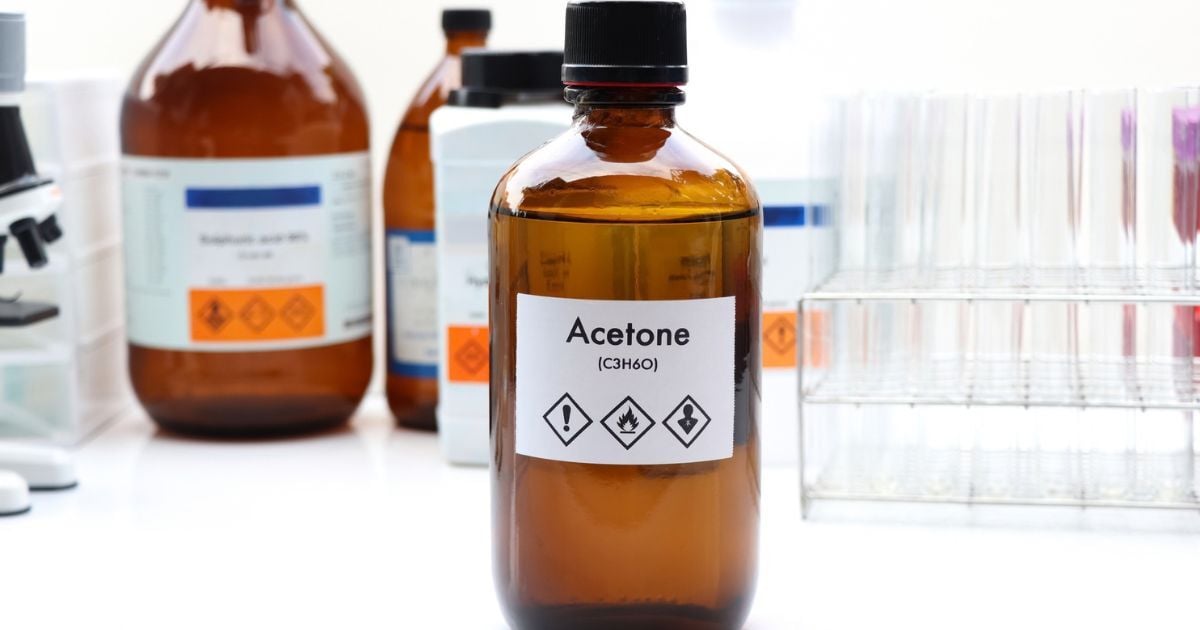
Acetone can be useful for removing oils, grease, adhesives, and certain organic residues from compatible labware and equipment. It also evaporates quickly, which can be useful when drying time matters.
The key is whether acetone is compatible with both the residue and the surface you're cleaning. When it is, acetone can serve as an effective cleaning or degreasing solvent without leaving the equipment wet for long.
To learn more about acetone, read What Is Acetone? Properties, Laboratory Uses, and Handling Considerations.
Acetone for Cleaning Glass
Depending on the cleaning procedure, acetone may be used to remove the residue directly or as part of a later rinse. It can also be used as a final rinse to help glassware dry faster.
For the complete washing and rinsing process, read USA Lab's guide to cleaning laboratory glassware.
Acetone for Cleaning Metal
Acetone can also work as a degreaser for metal when you need to remove oils, grease, adhesives, or similar residues. Its ability to dissolve many organic contaminants makes acetone useful for metal cleaning on compatible tools, equipment parts, and work surfaces.
The type of metal isn't the only consideration. For example, when using acetone to clean aluminum, you also need to account for any coatings, finishes, adhesives, seals, or other materials the solvent may come into contact with.
When Might Ethanol Be a Better Choice?
Ethanol may be a better choice when the residue dissolves well in alcohol or when your cleaning procedure calls for an alcohol-based rinse. Because ethanol mixes with water, it can also work well in cleaning steps where some water is present.
Ethanol generally evaporates more slowly than acetone, so it may not be the first choice when fast drying is the priority. However, the evaporation rate is only one consideration. The residue, equipment materials, and next step in your process should also guide your choice.
The ethanol concentration and formulation matter as well. Higher-proof ethanol contains less water, while denatured ethanol contains additives that may affect its suitability for a particular application.
If you're deciding between ethanol types, USA Lab's guide to choosing an ethanol grade explains the differences between common proofs and formulations in more detail.
What Other Cleaning Options Should You Consider?
Acetone and ethanol aren't necessary for every cleaning job. If the residue is water-soluble or routine washing is appropriate, detergent and water may be the simpler choice. Distilled or deionized (DI) water can also be used for rinsing when your procedure requires it.
If acetone or ethanol doesn't dissolve the target residue, another compatible organic solvent may be needed. Choose it based on the residue, equipment materials, process requirements, and applicable handling precautions.
However, don't move to a different solvent simply because it seems stronger. The differences between these options become clearer when you compare them against the same cleaning requirements.
Acetone vs. Ethanol vs. Other Cleaning Options
|
Cleaning consideration |
Acetone |
Ethanol |
Detergent + water |
Other organic solvents |
|
Organic residue removal |
Useful for many oils, greases, adhesives, and organic residues |
Useful when the residue is soluble in alcohol |
May help with some contamination, especially with physical washing |
May be needed for residues that acetone or ethanol don't dissolve well |
|
Water-soluble residue |
Usually not the first choice |
Can be useful when both water and alcohol solubility matter |
Often the practical starting point |
Depends on the solvent and residue |
|
Degreasing |
Commonly used for compatible surfaces |
Can remove some oils and residues |
Detergents can help remove oils and grease through washing |
Depends on the solvent and type of contamination |
|
Fast drying |
Evaporates quickly |
Evaporates more slowly than acetone |
Requires water to evaporate or be removed |
Varies widely by solvent |
|
Material compatibility |
Check plastics, seals, coatings, and other solvent-sensitive materials |
Check concentration, formulation, and equipment materials |
Often appropriate for washable equipment, but not every component can be exposed to water |
Must be checked for the specific solvent and materials |
|
Final rinse considerations |
Can support faster drying in compatible applications |
May be appropriate when an alcohol rinse fits the procedure |
DI or distilled water may be appropriate for some final rinses |
Depends on the procedure and what happens next |
Choose the Right Solvent for the Job
Acetone, ethanol, detergent and water, and other solvents each have cleaning applications in the lab. The right choice depends on the residue, material compatibility, drying needs, and what you'll use the equipment for next.
If acetone fits your application, USA Lab's 99% technical-grade acetone works for laboratory cleaning, degreasing, and other compatible uses. For your other cleaning needs, explore our laboratory solvents and cleaning agents to find an option that fits your process.