
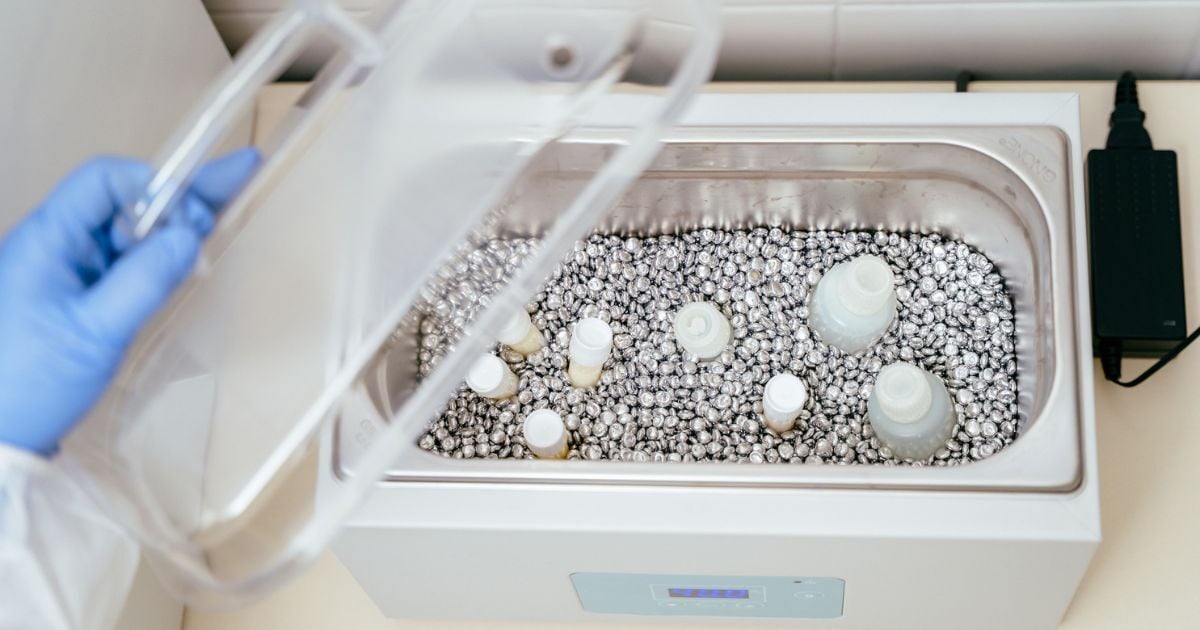
A water bath and a bead bath both provide controlled heating, but they transfer heat differently and support different laboratory workflows. Understanding how each system delivers thermal contact will help you select the right heating method for your samples, processes, and day-to-day laboratory needs.
What Is the Difference Between a Water Bath and a Bead Bath?
Water baths use heated water to transfer heat around samples, while bead baths use heated metallic beads to create dry thermal contact around containers.
Choosing between the two usually depends on the sample type, workflow conditions, and how your lab prioritizes temperature control, cleanliness, and operational convenience.
Thermal Contact Changes Heating Performance
The way heat reaches the sample directly affects the bath's heating behavior. Even when two systems are set to the same temperature, they respond differently during use. And that difference comes down to thermal contact.
Water Creates Uniform Ambient Heat Transfer
Water baths transfer heat through continuous contact with the surrounding medium. Heated water moves across the vessel's surface, spreading thermal energy more evenly throughout the container.
Because water naturally flows around the vessel, it reduces uneven heating across exposed surfaces. That consistent ambient contact is one reason water baths are often used for systems that depend on steady thermal stability.
Water also has relatively strong thermal conductivity compared to air. That allows heat to move efficiently through the bath and around the sample container.
You may also notice that larger water baths recover temperature gradually after adding colder samples. The water's thermal mass helps buffer sudden temperature changes, though recovery speed depends on bath size and workload.
Bead Baths Create Localized Direct Contact
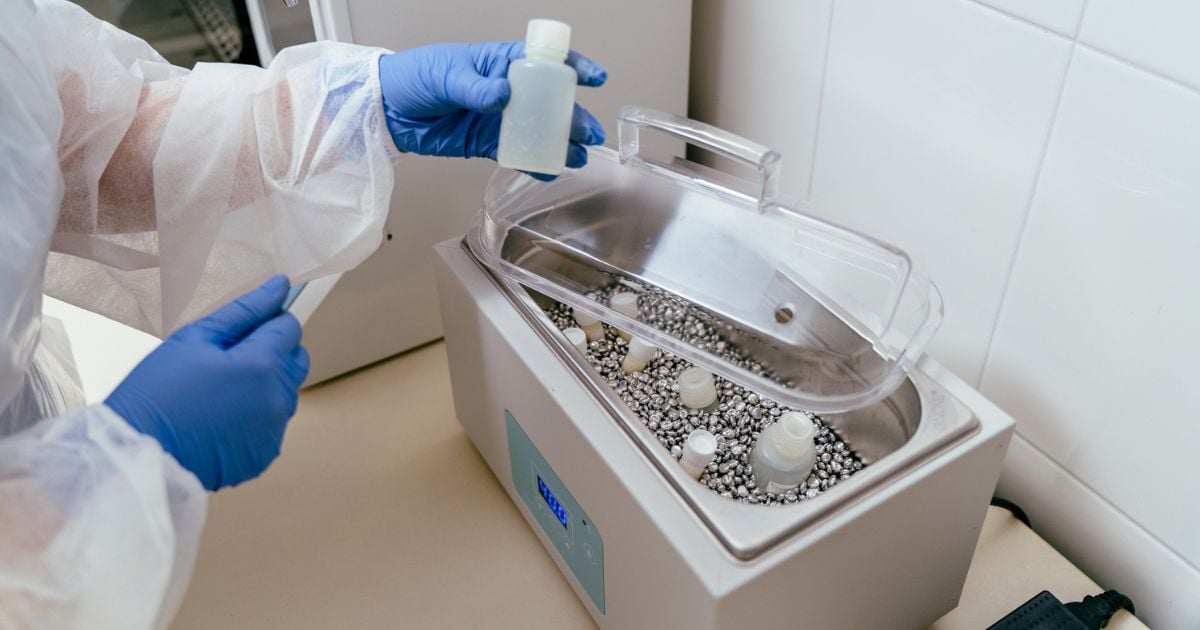
Bead baths transfer heat differently. Instead of surrounding the vessel with circulating liquid, heated metallic beads create direct contact against the container surface. This creates more localized heat transfer at the contact points between the beads and the vessel.
Because the media stays dry, bead baths often respond differently during loading and recovery. Some labs prefer this heating style when workflows involve frequent sample changes or mixed vessel sizes.
Thermal responsiveness also differs compared to water systems. Since heat transfer depends heavily on physical contact between the beads and the vessel, positioning and bead coverage influence heating consistency.
Contamination Risk Changes the Decision
Heating performance is only part of the equation, but the operating environment can influence productivity just as much.
Water Baths Introduce Liquid Exposure Risks
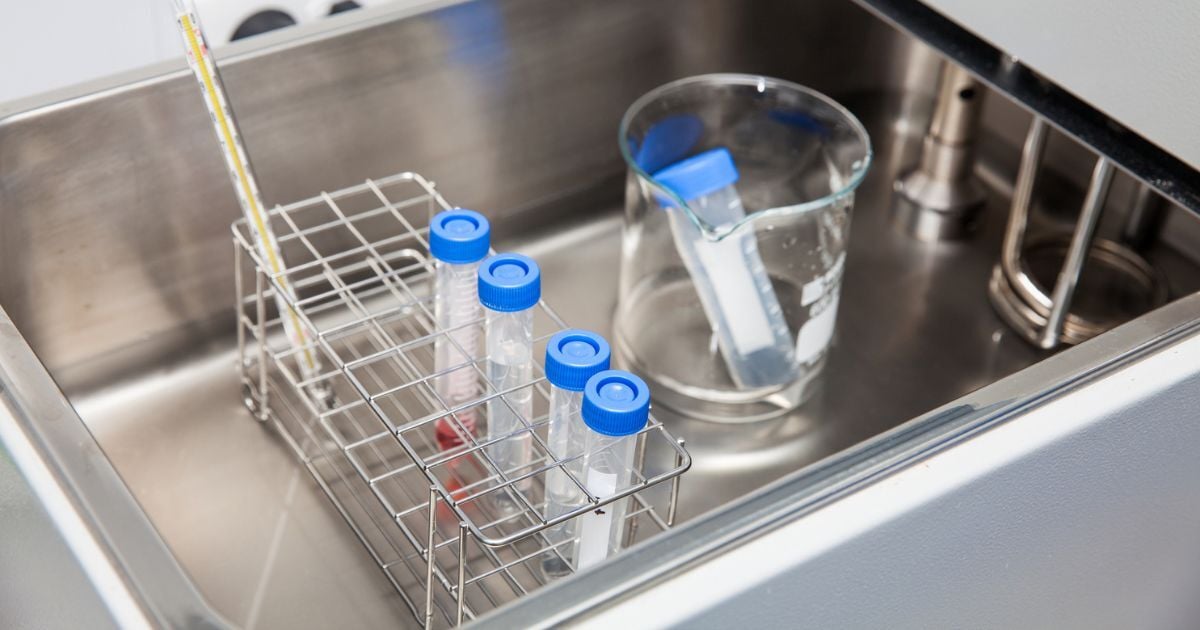
Water baths provide consistent thermal contact but also introduce ongoing liquid exposure in the workspace. Over time, standing water increases the chances of contamination if the bath is not cleaned and maintained regularly.
Some common concerns include:
- Spills during vessel placement or removal
- Aerosol contamination from splashing or agitation
- Biological growth inside warm water
- Residue buildup from repeated use
- Shared bath contamination between systems
Evaporation also affects long-term maintenance. As water levels change, labs need to refill and monitor the bath frequently to maintain stable immersion heating.
In higher-use environments, contamination concerns often become part of the daily workflow rather than an occasional maintenance issue.
But this does not make water baths unreliable. Many labs still prefer them for stable heat distribution and consistent temperature control. However, the liquid environment naturally creates additional handling and cleaning considerations.
Bead Baths Reduce Cross-Contamination Potential
Bead baths reduce many of the liquid-related concerns associated with water systems. Because the thermal media stays dry, there is less risk of splashing, aerosol formation, or accidental liquid transfer between samples.
This often helps support cleaner workflows in labs that prioritize contamination control or vessel isolation.
Some labs prefer bead baths because they offer:
- A dry heating environment
- Easier separation between vessel positions
- Lower risk of shared liquid contamination
- Simpler cleanup
The dry media also makes daily handling easier. You do not have to manage standing water levels, and there is less concern about microbial growth developing inside the bath during extended use. For systems involving multiple users or frequent sample changes, that cleaner operating environment becomes a major advantage.
That is why the decision is less about “which system heats faster” and more about which heating method best fits the lab’s operational demands.
Precision vs Flexibility in Laboratory Heating
Water baths and bead baths are both used for controlled heating, but they support different priorities. In many cases, the better choice comes down to whether your process values thermal stability or operational flexibility.
Water Baths Prioritize Thermal Stability
Water baths are commonly used when consistent immersion heating and stable temperature control are the main priorities. Because heated water surrounds much of the vessel surface, water baths support more uniform thermal contact across multiple containers during batch processing.
This type of heating is often useful for workflows that require:
- Stable temperature environments
- Consistent immersion across vessels
- Predictable heat distribution
- Repeatable batch uniformity
- Long-duration precision heating
The surrounding liquid also helps reduce sudden temperature swings during extended heating periods. For labs running standardized procedures or repeated thermal cycles, consistent environmental heating becomes an advantage.
Bead Baths Offer More Container Flexibility
Bead baths are often chosen for their flexibility during day-to-day lab work. The dry metallic beads shift around containers, making it easier to accommodate different vessel sizes and shapes without relying on full liquid immersion.
That flexibility simplifies systems involving:
- Mixed container types
- Selective vessel placement
- Frequent sample changes
- Repositioning during processing
- Smaller-scale heating tasks
Many labs also find bead baths easier to adapt during changing workflows. Containers can often be inserted, removed, or repositioned more quickly without managing water displacement or splashing. This makes bead baths useful for environments where speed, accessibility, and flexible heating methods matter alongside temperature control.
Batch Processing and Workflow Efficiency
Heating performance does not depend only on temperature settings. Daily workflow patterns also affect how efficiently a system performs during use. Sample movement, loading frequency, recovery behavior, and container handling all influence heating consistency throughout the process.
Water Baths Support Uniform Batch Heating
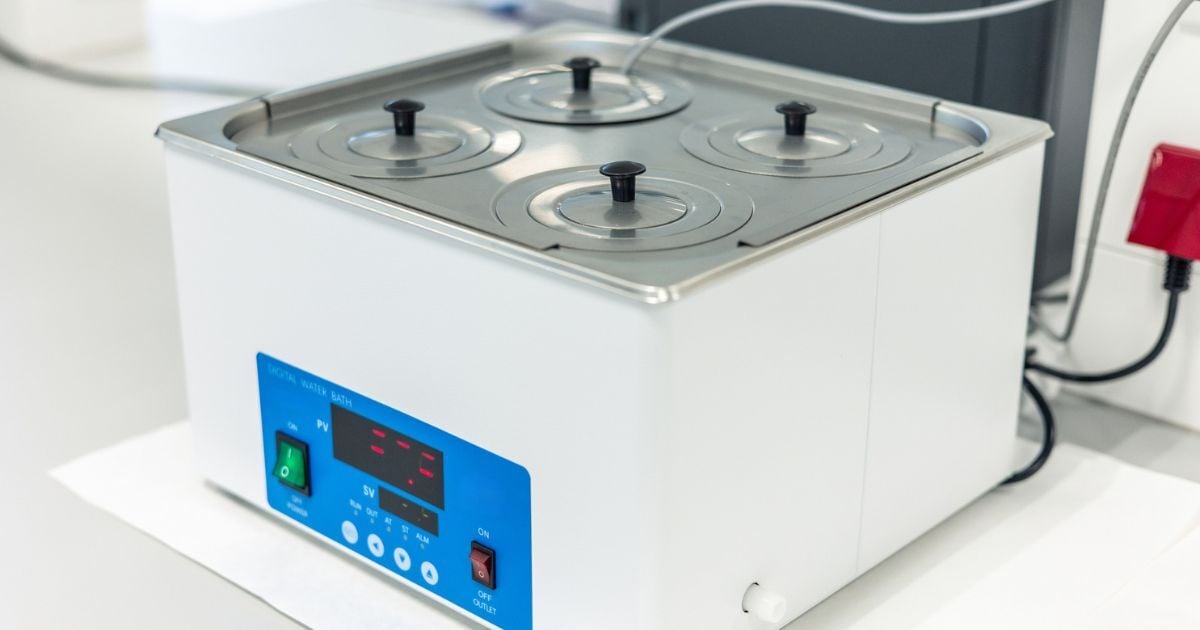
Water baths are commonly used for batch processing because they provide a shared thermal environment for multiple samples. The surrounding heated water helps maintain more consistent sample exposure throughout the bath, especially during larger-volume processes.
This type of setup works well for:
- Standardized processing steps
- Long-duration incubation
- Large-volume vessel groups
- Systems requiring uniform temperature conditions
Because all vessels share the same heated environment, this improves consistency when samples need similar heating conditions over extended periods. Plus, larger water baths help buffer temperature fluctuations during continuous operation due to the thermal mass of the heated liquid.
Bead Baths Simplify Frequent Sample Changes
Bead baths are often easier to manage in workflows that involve frequent sample movement or frequent vessel changes. The dry thermal media allows containers to be inserted, repositioned, or removed without handling standing liquid.
That flexibility helps reduce interruptions during processes that involve:
- Rapid sample swaps
- Staggered heating times
- Selective container placement
- Repeated access throughout processing
Many labs also prefer bead baths because they simplify handling between processing steps. This is why system structure matters just as much as temperature control specifications. A heating system that performs well under stable conditions may behave differently during constant interruptions or high-throughput processing.
Maintenance and Operational Considerations
Daily maintenance impacts consistency, equipment lifespan, and overall lab efficiency over time. The better fit often depends on how your lab handles cleaning routines, contamination control, and day-to-day operational demands.
Water Baths Require Ongoing Liquid Management
Water baths require regular liquid maintenance to maintain stable heating performance and reduce contamination risks. Because the system relies on heated water, the bath itself becomes part of the active working environment throughout the process.
Common maintenance tasks often include:
- Water replacement
- Evaporation management
- Routine cleaning
- Mineral buildup removal
- Biological contamination prevention
Labs running continuous batch processing or long heating cycles will need more frequent cleaning schedules to maintain stable operating conditions.
Bead Baths Reduce Routine Fluid Maintenance
Bead baths eliminate many of the fluid-management tasks associated with traditional water systems. Since there is no standing liquid, labs do not have to manage evaporation, refill cycles, or routine water replacement.
Many labs also find bead baths easier to clean between processes. The dry media environment simplifies handling in spaces where contamination sensitivity or equipment cleanliness is a higher priority.
Maintenance can include:
- Routine chamber cleaning
- Bead inspection
- Removal of residue or debris
- Periodic bead replacement
- Cleaning between sensitive steps
In many cases, the right choice comes down to balancing operational convenience with the thermal performance your process requires.
Water Baths vs Bead Baths: Which One Makes More Sense?
By this point, the choice between a water bath and a bead bath should be less about which system is "better" and more about which one fits your workflow.
Here are the key differences between the two heating systems:
|
Consideration |
Water Bath |
Bead Bath |
|
Thermal Contact |
Heated water surrounds the vessel for immersion heating |
Heated metallic beads create direct contact with the vessel |
|
Temperature Control |
Stable thermal environments with consistent heat transfer |
Good temperature control with flexible vessel placement |
|
Heat Distribution |
Broad, uniform heat distribution across immersed containers |
More localized heat transfer based on bead-to-vessel contact |
|
Thermal Stability |
Well-suited for maintaining consistent temperatures over time |
Effective for many applications, but more dependent on vessel positioning |
|
Contamination Risk |
Higher potential due to standing liquid and shared bath exposure |
Lower potential due to dry thermal media |
|
Container Flexibility |
Best suited for standardized vessel sizes and immersion depths |
Accommodates a wide range of vessel sizes and shapes |
|
Batch Processing |
Excellent for uniform heating across multiple samples |
Better suited for processes with frequent sample changes |
|
Maintenance Requirements |
Requires water replacement, cleaning, and evaporation management |
Reduced routine maintenance with no standing liquid |
|
Typical Applications |
Sample warming, incubation, batch processing, uniform heating |
Molecular processes, contamination-sensitive processes, flexible sample handling |
Contact, Control, Contamination
When evaluating your options, focus on how your process prioritizes thermal contact, temperature control, contamination management, and efficiency. The best choice is the one that aligns with the demands of your specific application.
If you are exploring laboratory heating solutions, USA Lab Equipment offers water baths, bead baths, and other lab heating equipment designed to support a wide range of research, testing, and production workflows.