
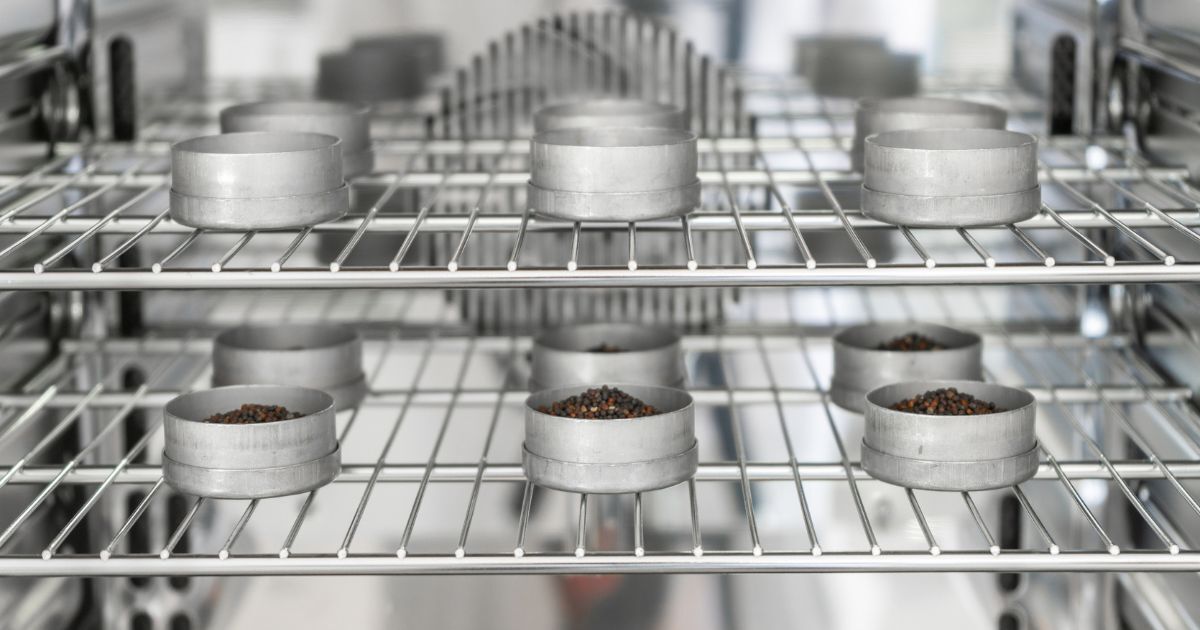
Choosing between forced-air and gravity-convection ovens starts with understanding how airflow affects drying behavior. Even when two ovens operate at the same temperature, they can produce very different results depending on how heat and air move through the chamber.
Airflow affects heat distribution, moisture removal, exposure uniformity, drying speed, and material stability throughout the process.
What Is the Difference Between Forced Air and Gravity Convection Ovens?
The main difference between forced-air and gravity-convection ovens is how they move heat through the chamber. That difference changes how heat reaches the sample, how quickly moisture leaves the material, and how evenly temperatures stay distributed during the process.
In many lab applications, airflow matters just as much as temperature settings.
How Forced Air Convection Ovens Work
Forced-air ovens use fans to actively circulate heated air throughout the chamber. Instead of relying on natural airflow, the system continuously pushes air across shelves, containers, and sample surfaces.
How Gravity Convection Ovens Work
Gravity convection ovens use passive air movement instead of mechanical airflow. As air near the heating elements warms, it naturally rises, while cooler air moves downward to replace it. This creates a slow circulation pattern inside the chamber.
How Airflow Affects Heat Distribution and Exposure Uniformity
Airflow changes more than drying speed. It also affects how evenly heat moves through the chamber and how consistently samples experience the process from one area of the oven to another.
This becomes especially important during batch processing, multi-shelf loading, or applications where repeatability matters. Even small airflow differences can change drying behavior, surface conditions, or overall process consistency.
Why Forced Air Ovens Often Heat Faster
Forced-air ovens heat faster because continuous circulation improves heat distribution throughout the oven. Temperatures tend to stabilize more quickly, and there are usually fewer hot and cold spots between different areas of the chamber.
You may also notice faster chamber recovery after opening the door. In many forced-air ovens, the moving air helps restore target temperatures more quickly after heat escapes.
Forced air systems are often useful when you need:
- Faster drying cycles
- More even heating across shelves
- Better consistency during batch processing
- Shorter recovery times after loading or unloading samples
However, forced airflow creates a more aggressive drying environment. Some sensitive materials may shrink, skin over, crack, or lose consistency under higher airflow conditions.
How Gravity Convection Creates Gentler Heating Conditions
Gravity convection ovens provide a much calmer heating environment because air moves naturally instead of being pushed by fans. Without strong mechanical airflow, the chamber experiences lower turbulence and less direct air impact on the sample surface.
This slower heating behavior helps protect delicate materials from rapid surface drying and uneven exposure. Some samples respond better when heat builds gradually rather than aggressively.
You may see advantages with materials that:
- Shift easily under airflow
- Dry too quickly at the surface
- Require slower moisture removal
- Need minimal disturbance during heating
The tradeoff is speed. Gravity convection systems usually take longer to stabilize and exhibit greater temperature variation throughout the chamber than forced-air designs.
Why Exposure Uniformity Matters
Exposure uniformity refers to how consistently samples experience heat and airflow throughout the chamber during processing. This becomes more important as batch sizes grow or sample placement varies between shelves and trays.
Inconsistent exposure leads to uneven drying, variable moisture removal, or differences between samples processed in the same cycle.
Tray positioning also matters. Samples placed near stronger airflow paths or hotter areas dry faster than materials located elsewhere in the chamber.
Better reproducibility usually comes from maintaining stable conditions across the entire process. That includes:
- Consistent heat exposure
- Stable airflow behavior
- Predictable moisture removal
- Similar conditions across shelves and trays
In batch processing environments, airflow consistency often affects overall process reliability just as much as the temperature setting itself.
Surface Drying vs Internal Drying
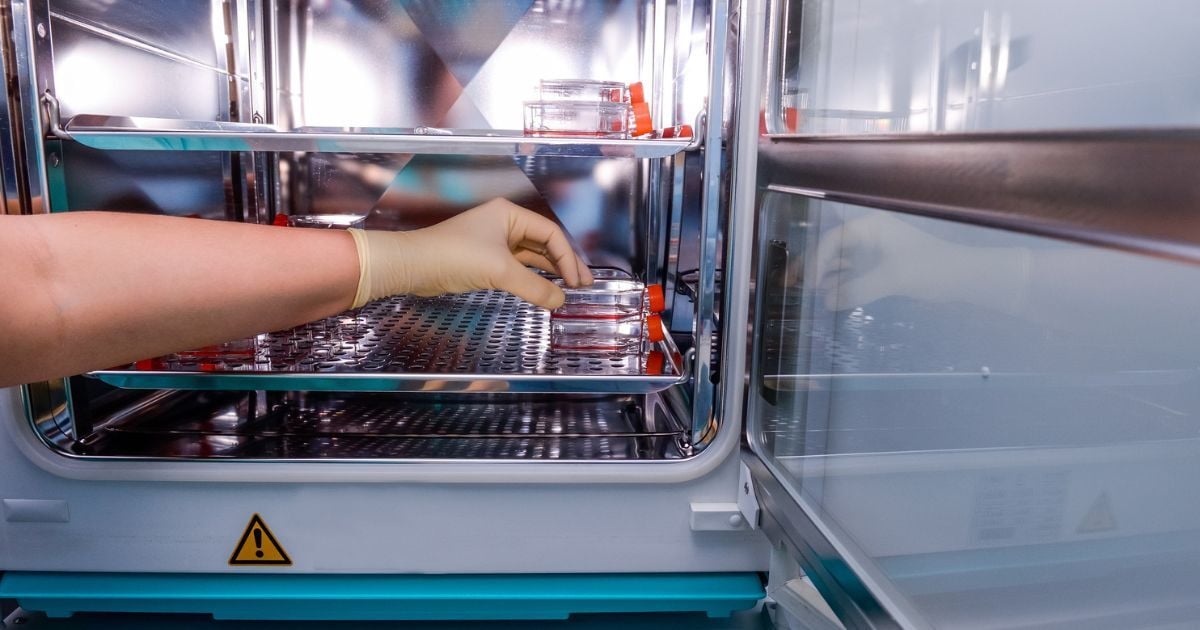
This is where airflow becomes even more important. Faster air movement speeds up evaporation at the surface, but that does not always mean the entire sample dries evenly from the inside out.
How Forced Air Accelerates Surface Moisture Removal
Forced-air ovens speed up surface drying by continuously circulating heated air across the material. That airflow removes humid air near the sample and replaces it with drier, heated air, which increases evaporation speed.
In many applications, this creates shorter drying cycles and improved throughput. Samples often reach target moisture levels faster compared to gravity convection systems.
This type of airflow works especially well for:
- Thin materials
- Open surface drying
- Large batch processing
- Applications where speed matters most
You may also see more consistent drying across exposed surfaces because the chamber maintains stronger airflow throughout the process.
Why Faster Surface Drying Can Create Problems
Faster surface drying is not always better. In some materials, the outer layer dries much faster than the interior. When that happens, moisture inside the sample struggles to move outward evenly.
This can create several process problems.
One common issue is surface crusting. The outside layer hardens or dries too quickly while internal moisture remains trapped beneath the surface.
You may also see uneven moisture migration as the material tries to release moisture at different rates throughout the sample. In thicker materials, this imbalance creates internal stress during heating and cooling.
Some sensitive samples may:
- Crack during drying
- Warp or shrink unevenly
- Develop inconsistent texture
- Retain hidden internal moisture despite appearing dry externally
Sample geometry also affects drying behavior. Thick materials, deep tray loading, and densely packed samples often develop larger differences between surface drying and internal moisture movement under aggressive airflow conditions.
This is one reason airflow settings matter in lab drying processes. More aggressive air circulation increases speed, but it also increases stress on materials that need slower moisture movement.
When Gravity Convection Produces Better Internal Stability
Gravity convection ovens usually create slower, more gradual drying conditions. Heat penetrates the material more gently because the chamber experiences less direct airflow and lower turbulence overall.
That slower heating behavior often helps moisture move outward more evenly from inside the sample.
In delicate drying processes, this reduces stress on delicate materials and lowers the risk of surface hardening before the interior has stabilized.
Gravity convection systems are often preferred for:
- Thick materials with internal moisture
- Samples prone to cracking
- Delicate powders or lightweight materials
- Applications requiring gradual moisture removal
- Processes where consistency matters more than speed
While drying times are usually longer, the softer heating behavior yields more stable, predictable results for sensitive applications.
When Forced Air Ovens Work Best
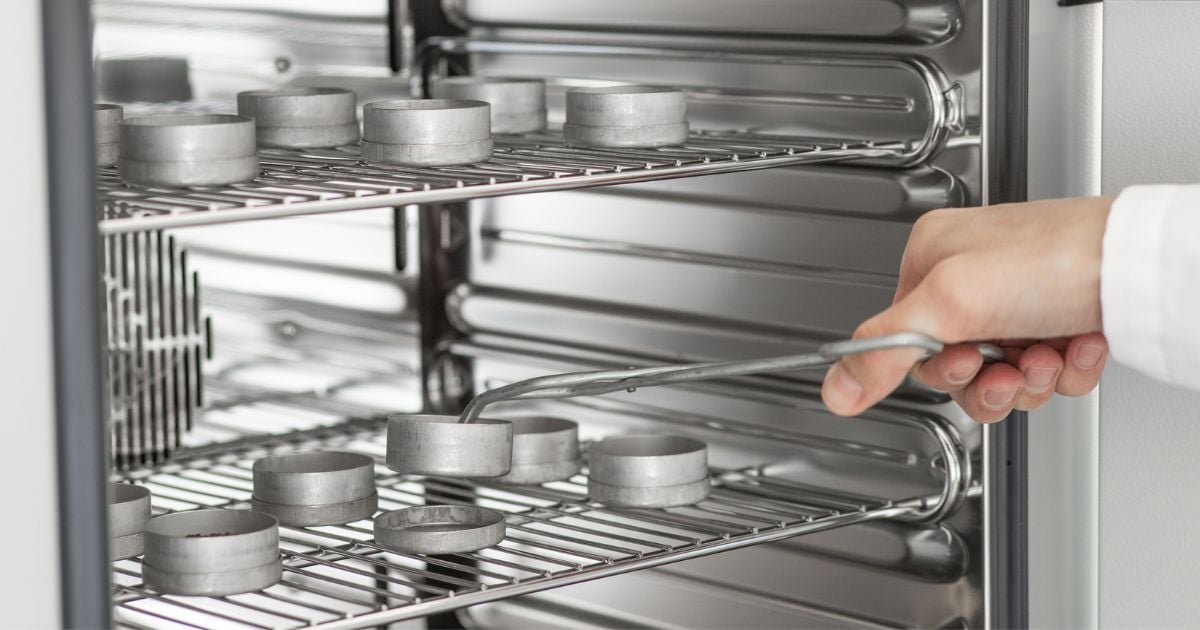
Forced-air ovens usually work best in workflows where faster drying, stronger heat uniformity, and multiple samples matter more than gentle material handling.
High-Throughput Drying Applications
When processing speed directly affects workflow capacity, forced air ovens help reduce downtime between batches.
This type of setup is often useful for:
- Faster batch turnover
- Repetitive processing workflows
- High-volume drying operations
- Labs managing multiple production cycles per day
Applications That Require Strong Temperature Uniformity
Some applications depend on stable chamber conditions across every shelf and tray position. In these situations, forced air circulation helps maintain more consistent heat distribution throughout the oven.
This becomes especially important when working with:
- Large sample volumes
- Multi-shelf batch processing
- Standardized drying procedures
- Processes requiring tighter temperature control
Materials That Benefit From Active Airflow
Some materials respond well to stronger airflow and faster moisture removal. In these cases, forced-air ovens help maximize drying efficiency while maintaining consistent processing behavior.
Active airflow is commonly useful for:
- Durable materials with low sensitivity to airflow
- Thin samples that dry evenly
- Industrial processing workflows
- Applications focused on speed and throughput
- General-purpose drying operations
For many robust drying applications, the faster heat transfer and stronger air circulation of forced air ovens improve workflow efficiency without negatively affecting the material.
When Gravity Convection Ovens Work Best
Gravity convection ovens are often the better choice when materials need slower, gentler heating conditions.
Sensitive Samples That React Poorly to Air Movement
Some materials do not respond well to strong air circulation. The gentler chamber environment helps maintain better sample stability throughout longer heating cycles.
This type of oven is often useful for:
- Powders that move or disperse under forced airflow
- Lightweight materials vulnerable to turbulence
- Delicate samples prone to cracking or surface drying
- Materials that require stable, low-disturbance conditions
Applications Where Moisture Retention Matters
Some processes benefit from slower evaporation and more controlled moisture removal. In these situations, gravity convection ovens support better moisture retention during the heating cycle.
You may see advantages in applications where:
- Controlled drying is more important than speed
- Internal moisture balance matters
- Surface drying needs to remain gradual
- Materials become stressed under rapid evaporation
Processes That Require Gentler Heating Conditions
Gravity convection ovens are commonly used in processes where lower turbulence and reduced airflow disturbance help protect the material during heating.
These conditions are often preferred for:
- Slow drying applications
- Heat-sensitive materials
- Long-duration heating cycles
- Processes requiring lower disturbance environments
- Samples prone to uneven surface drying
While gravity convection systems usually operate more slowly than forced-air ovens, the gentler heating conditions produce more stable, predictable results for delicate applications.
Forced Air vs Gravity Convection Ovens: Quick Comparison
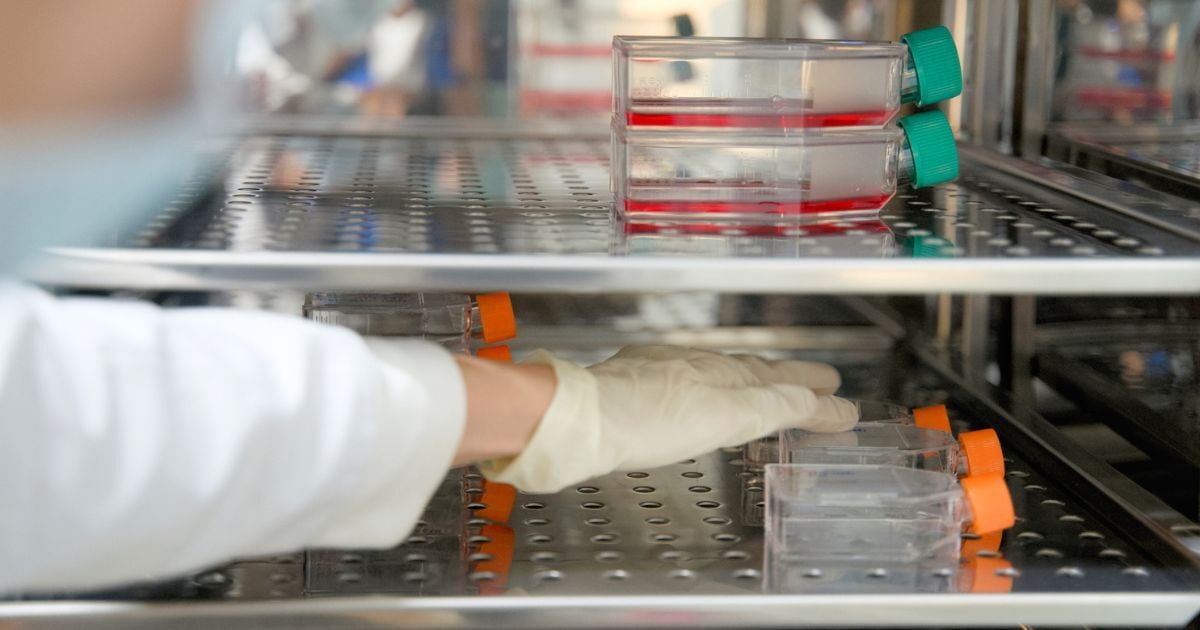
The best oven depends on how your material responds to airflow, heat exposure, and moisture removal.
|
Consideration |
Forced Air Convection Oven |
Gravity Convection Oven |
|
Airflow Behavior |
Active fan-driven air circulation |
Passive natural air movement |
|
Drying Speed |
Faster surface drying and heat transfer |
Slower, more gradual drying |
|
Heat Distribution |
More uniform across the chamber |
Can vary more between zones |
|
Temperature Recovery |
Faster after door openings |
Slower recovery |
|
Sample Sensitivity |
Better for durable materials |
Better for delicate materials |
|
Moisture Removal |
Aggressive evaporation |
Gentler moisture migration |
|
Surface Drying Risk |
Higher risk of overdrying |
Lower risk of crusting |
|
Batch Processing |
Strong for high-throughput workflows |
Better for smaller or sensitive batches |
|
Turbulence |
Higher airflow disturbance |
Lower disturbance environment |
|
Best For |
Speed, throughput, uniformity |
Stability, gentle heating, delicate samples |
Matching Airflow to the Process
Forced-air and gravity-convection ovens may reach similar temperatures, but they do not heat or dry materials the same way. The best choice depends on how your material responds to airflow, exposure, and evaporation during the process.
Explore USA Lab Equipment’s drying ovens, lab heating systems, and vacuum ovens designed for different materials, workflows, and processing requirements.