
At first glance, drying ovens and incubators can seem similar. Both are temperature-controlled laboratory systems. But using the wrong one can lead to inconsistent results, damaged samples, or wasted processing time.
That’s because temperature alone does not define how these systems work. Understanding that difference helps you choose the right equipment for your workflow, whether you’re drying materials, preparing samples, or supporting biological growth.
Why Temperature Alone Isn’t Enough
You can set two systems to the same temperature and still get completely different results. That’s because temperature is only one part of the process. What really matters is how that heat behaves inside the chamber.
This is where the real difference appears: thermal force vs. environmental control.
- A drying oven pushes heat to drive change.
- An incubator maintains a steady temperature to protect what’s inside.
Heat With Active Airflow (Drying Ovens)
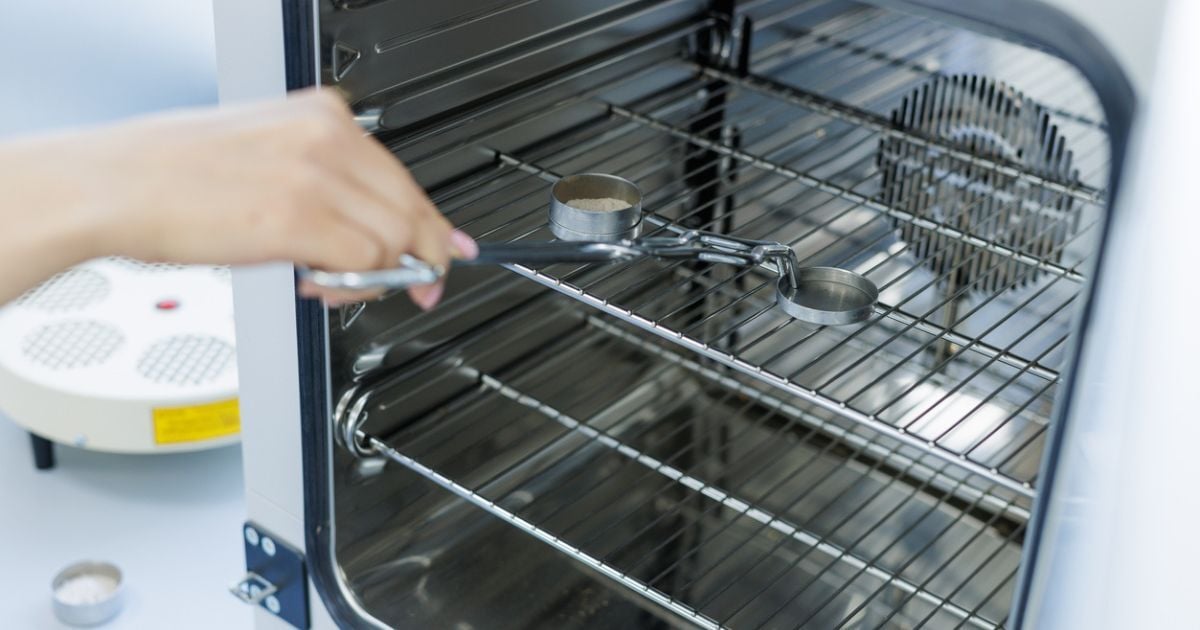
Drying ovens are built to move heat through the chamber. Airflow helps carry moisture away, which speeds up evaporation. This works well when your goal is to remove moisture or solvents from the sample.
You’ll notice that conditions inside the chamber can shift slightly during use. That’s expected and part of how industrial drying solutions work.
Heat With Stability (Incubators)
Incubators take the opposite approach. Instead of pushing heat, they hold it steady. The goal is to keep conditions as consistent as possible over time. This matters when you’re working with living cultures or sensitive materials.
These features help protect samples from sudden environmental changes. Even small swings in temperature or airflow can affect results, so stability becomes the priority.
How Drying Ovens Work
Drying ovens are built to remove something from your sample, usually moisture or solvents.
Features
- Forced air or gravity convection – Air moves through the chamber to carry moisture away. This helps drying happen faster and more evenly.
- Higher temperature ranges – Drying ovens can reach higher temps than most incubators. This gives you more thermal force when you need it.
- Ventilation – Built-in vents allow moisture and vapors to escape, preventing them from building up inside the chamber.
Typical Applications
You’ll see drying ovens used anywhere moisture removal is part of the workflow:
- Industrial drying solutions for bulk materials or production processes
- Material prep before weighing, testing, or further processing
- Glassware drying to remove water after cleaning
- Curing coatings or materials so they set properly
- Removing residual solvents after processing
If your process depends on removing moisture quickly and consistently, a drying oven is the tool built for that job.
How Incubators Work
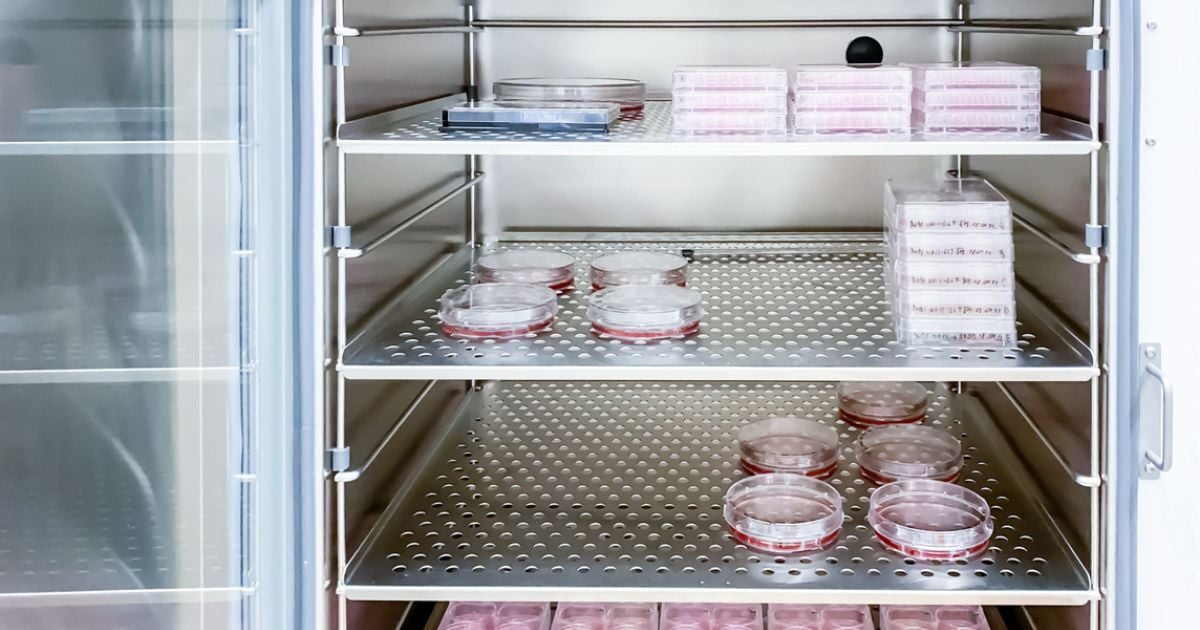
Incubators are designed to maintain stable conditions over time. You’ll use them when your sample needs protection, not change. This is especially important for biological work, where even small shifts affect results.
Features
- Tight temperature control – The system maintains consistent temperature across the chamber, helping prevent uneven results.
- Minimal airflow disruption – Air movement is limited or carefully managed to avoid disturbing samples.
- Optional humidity or CO₂ control – Some setups let you regulate moisture or gas levels. This is important for certain biological processes.
Typical Applications
You’ll find incubators in workflows where stability matters most:
- Cell culture where growth depends on consistent conditions
- Microbiology for growing and studying organisms
- Sample storage when materials need a controlled environment over time
- Protecting sensitive samples during testing or storage
If your process relies on consistency rather than evaporation, an incubator is a better fit.
Common Mistakes Labs Make When Choosing Between Them
Most selection mistakes happen when labs focus only on temperature and ignore how the chamber environment behaves.
- Focusing only on temperature specs. Two systems can run at the same temperature and behave completely differently. Temperature stability and distribution matter just as much as the number itself.
- Ignoring airflow and environment. If you overlook airflow and environmental control, you risk choosing the wrong tool for the job.
- Using a drying oven for incubation. Drying ovens move heat and air. That’s exactly what you don’t want for biological work.
- Using an incubator for drying. You might still remove some moisture over time, but it won’t be efficient or consistent.
Bottom line: Matching the equipment to your outcome (drying vs maintaining) will save you time, materials, and repeat work.
Choosing Between Drying and Stability
Drying ovens and incubators may both rely on heat, but they solve very different problems. The key is choosing equipment based on the outcome you need, not just the temperature setting on the display.
Explore USA Lab Equipment drying ovens and incubators to find the right fit for your workflow, process, and sample requirements.