

If you run or manage a clinical lab, compliance decisions don’t usually fail because of testing. They fail because of assumptions. Assumptions about what CLIA (Clinical Laboratory Improvement Amendments) requires, what CAP (College of American Pathologists) changes, and how much weight equipment choices actually carry.
This guide breaks CLIA down in practical terms, helping you separate regulatory requirements from implementation decisions so you can make defensible choices in your lab.
What Is the CLIA?
The Clinical Laboratory Improvement Amendments (CLIA) are a set of federal rules that apply to laboratories that test human samples for the diagnosis, prevention, or treatment of disease. So if your lab performs testing on human specimens and reports results, CLIA likely applies to how you test, document those tests, and maintain quality controls.
Who Administers CLIA and Why It Exists
CLIA is administered by the Centers for Medicare & Medicaid Services (CMS), with support from the Centers for Disease Control and Prevention (CDC) and the Food and Drug Administration (FDA).
The program was created in response to concerns that inconsistent lab practices could lead to incorrect diagnoses or unsafe patient care. CLIA establishes baseline quality standards so patient test results don’t depend on which lab runs the test.
What Does CLIA Regulate?
CLIA focuses on testing practices rather than the business side of lab operations. Specifically, it’s meant to protect:
- Test accuracy by making sure results reflect what’s actually happening in the test sample.
- Test reliability to ensure consistent results over time and between runs.
- Quality processes that require labs to follow validated methods, perform quality control checks, and maintain proper documentation.
CLIA looks at the testing process, not just the outcome. Understanding that line helps you avoid common compliance mistakes and unnecessary purchasing assumptions.
Where CLIA Applies
CLIA oversight centers on the whole testing process, including:
- Human diagnostic testing processes – CLIA applies to labs that test human specimens and report patient results. It covers how tests are performed from start to finish.
- Personnel qualifications – CLIA sets minimum requirements for who can perform, supervise, and oversee different types of testing. This helps reduce errors tied to training or experience gaps.
- Quality control (QC) and quality assurance programs – Labs must follow written procedures, run QC checks, and document results. These systems help catch issues before they affect patient outcomes.
- Proficiency testing and inspections – Labs are required to demonstrate ongoing testing accuracy and are subject to inspections that review records, workflows, and compliance practices.
Together, these requirements form a quality framework focused on consistency and reliability.
Where CLIA Does Not Apply
This is where confusion often happens. CLIA does not regulate or approve:
- Equipment brands or manufacturers – CLIA does not approve, certify, or endorse vendors.
- New vs. used laboratory instruments – Whether the equipment is new or used has no bearing on CLIA. What matters is proper validation, maintenance, and documented use.
- Where or how equipment is purchased – CLIA does not govern sourcing decisions, pricing, or supply channels.
- Claims like “CLIA-compliant equipment” – CLIA regulates testing, not products.
A centrifuge, extractor, analyzer, or other instrument doesn’t become “CLIA-compliant” on its own. It becomes part of a compliant workflow only when you use it within validated procedures, follow your SOPs (standard operating procedures), and document maintenance and quality checks.

Where CAP Fits Into Clinical Lab Oversight
CLIA isn’t the only name you’ll hear in clinical lab oversight. Many labs also choose to work with the College of American Pathologists (CAP).
What Is the College of American Pathologists (CAP)?
CAP is a professional medical organization made up of board-certified pathologists. In addition to education and advocacy, CAP offers a voluntary accreditation program for clinical laboratories.
Its accreditation program is designed to help labs meet (and often exceed) federal quality expectations through detailed standards and peer-based inspections.
How CAP Builds on CLIA Requirements
CAP accreditation is built on the same foundation as CLIA. In fact, CAP accreditation is recognized as meeting CLIA requirements.
Where CAP differs is in depth and structure. CAP standards often go further than CLIA by:
- Providing more detailed quality and documentation requirements
- Using discipline-specific checklists
- Relying on peer inspectors who work in clinical labs themselves
For many labs, CAP functions as an added layer of quality assurance rather than a replacement for CLIA.
Why CAP Is Optional but Widely Used
CAP accreditation is not required for CLIA certification. A lab can operate fully in compliance with federal regulations without CAP.
That said, many labs choose CAP because it:
- Signals a higher level of internal quality control
- Supports consistency across complex testing environments
- Helps with inspection readiness and internal audits
What CAP Does Not Do
Just like CLIA, CAP has clear boundaries:
- It does not approve or certify equipment vendors.
- It does not endorse specific instruments or brands.
- It does not replace CLIA authority.
CAP accreditation evaluates how a lab operates and not what it buys. Equipment only becomes part of a compliant system when it’s properly validated, maintained, and documented in accordance with approved testing procedures.
How Lab Equipment Fits Into CLIA and CAP Oversight
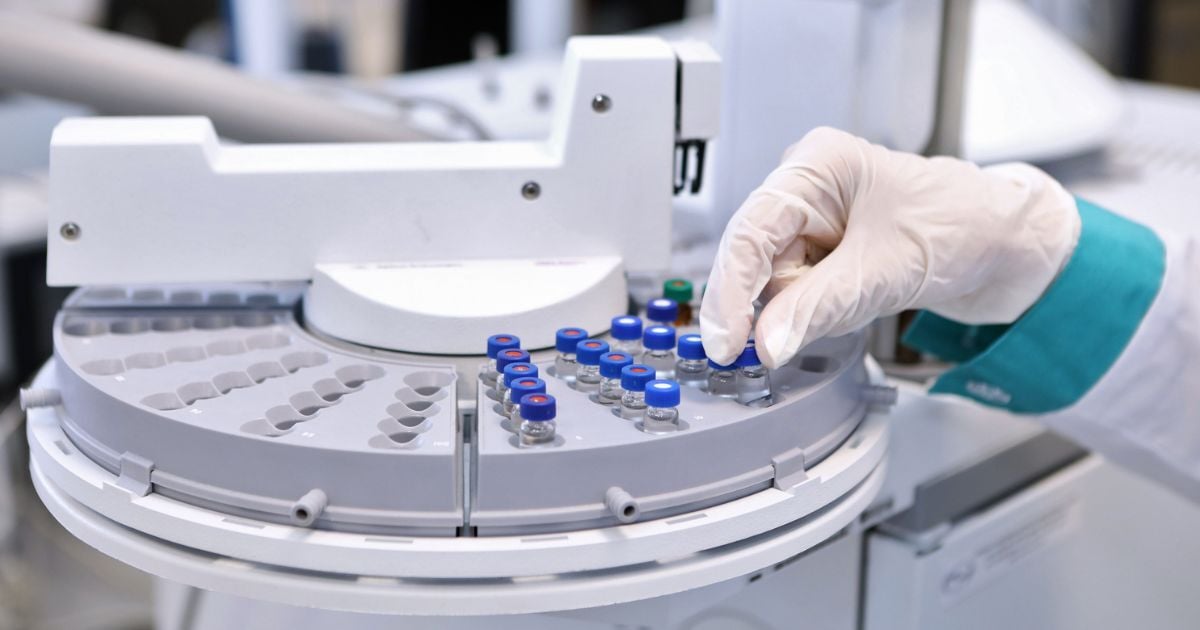
CLIA and CAP don’t directly regulate equipment, but it still plays a critical role in compliance. That’s because instruments are part of the testing system that inspectors evaluate. In other words, regulations define what must be controlled. Your lab decides how that control is achieved through validated methods, SOPs, and quality controls.
Once equipment is in use, it becomes part of the inspection conversation through validation records, QC data, and maintenance logs. That’s why understanding the role equipment plays (without overstating its regulatory status) is key to making smart purchasing decisions.
From here, the focus shifts from what regulations require to how labs should evaluate equipment with those requirements in mind.
How Labs Should Evaluate Equipment Purchases
Evaluating equipment through a compliance lens means making sure what you buy aligns with how your lab actually tests. Here’s how to think about it without drifting into sales claims or compliance shortcuts.
1. Does the equipment fit your intended testing methods?
Start with how the equipment will be used. Ask whether the instrument:
- Supports the specific testing methods you run
- Can operate within your required ranges, volumes, or workflows
- Matches the complexity level of your testing
If an instrument can’t support your method as written or requires workarounds, it creates risk before validation even starts.
2. Does the equipment have the ability to support SOPs and QC requirements?
Before purchasing, confirm the equipment can:
- Be clearly described in your SOPs
- Support routine QC checks tied to your methods
- Produce consistent, repeatable results
If you can’t explain how an instrument fits into your SOPs, it will be difficult to defend during an inspection.
3. Does the equipment support service, calibration, and documentation?
Long-term use matters just as much as day-one setup. Look for:
- Clear calibration procedures and intervals
- Access to maintenance guidance and service support
- Documentation that supports validation, troubleshooting, and recordkeeping
Inspectors don’t expect perfect equipment, but they do expect complete records.
New vs. Used Equipment: What Compliance Actually Cares About
From a CLIA perspective, new versus used doesn’t determine compliance. What matters is whether the equipment:
- Is properly validated or verified for its intended use
- Is maintained and calibrated according to documented procedures
- Has complete, traceable records
A used instrument with strong documentation and validated performance can support compliant testing just as well as a new one.
Why “CLIA-Compliant Equipment” Is the Wrong Question
CLIA regulates testing practices, not instruments. An analyzer, extractor, or other lab instrument doesn’t meet CLIA requirements on its own.
The same instrument can be:
- Compliant when it’s used within a validated method, follows written SOPs, and is supported by QC checks and maintenance records
- Non-compliant when it’s used outside approved procedures, lacks validation data, or has missing documentation
What changes isn’t the equipment but the way the lab uses and controls it. Instead of asking whether equipment is CLIA-compliant, a more useful question is:
- “Has this equipment been properly validated, controlled, and documented for the way we use it?”
What CLIA Compliance Really Comes Down To
If you take one thing away, let it be this: Equipment supports compliance, but it doesn’t define it.
When you evaluate lab equipment, focus on whether it fits your testing methods, supports your procedures, and can be appropriately validated and documented over time. That’s what inspections are built on, and that’s where compliance is proven.
For labs planning equipment changes, USA Lab Equipment offers a range of new and used instruments that can be integrated into validated methods and properly documented testing systems.