

Laboratory specifications and requirements are the core conditions a lab needs to function safely and legally. They cover the building’s structure, utility hookups, ventilation systems, chemical storage rules, and the compliance regulations that apply to your work.
These specifications matter because they affect everything you do on a day-to-day basis. Clear electrical planning prevents overloaded circuits. Proper HVAC and ventilation systems help maintain safe air quality. Correct drainage, gas lines, and storage setups reduce the chance of accidents.
When your lab meets the proper standards, you’re more likely to pass inspections, stay compliant, and avoid expensive rebuilds later.
What Standards and Regulations Apply to Lab Environments?
Labs must meet several national, local, and industry standards before installing equipment, starting operations, or passing inspections. These rules govern everything, from the airflow in the room to the storage and disposal of chemicals and waste from the building.
Core Regulatory Bodies
OSHA
OSHA establishes safety rules for laboratory environments, including guidelines for handling chemicals, labeling hazards, storing materials, and implementing engineering controls. Their guidelines help protect staff and create a safer daily workflow.
EPA
If your lab produces chemical waste, biological waste, or regulated wastewater, the EPA outlines how you collect, store, and dispose of it. These rules apply whether you’re running a research lab or supporting production processes.
NFPA
NFPA codes guide the management of flammable liquids, emergency exits, fire suppression systems, and ventilation for chemical handling. They play a major role in decisions about hoods, ducts, and storage rooms.
Local Building And Fire Codes
Cities and counties add another layer of requirements. These include room construction, door widths, sprinkler systems, electrical load limits, and occupancy planning. Local inspectors often check these items before equipment installation.
Industry Standards
ASTM
ASTM publishes testing and performance standards that support consistent lab practices across industries. These standards help define how materials are handled, how equipment is tested, and how specific types of work should be performed.
ISO/IEC
ISO and IEC standards guide quality systems, environmental controls, and equipment performance. Many labs use them to set baseline expectations for accuracy, safety, and documentation.
Compliance Regulations
Electrical
Some devices must meet specific electrical certifications or ratings, depending on the voltage, installation type, or room classification. This affects how you plan outlets, circuits, and transformer loads.
Fume Hood and Biosafety Cabinets
Air-handling equipment has its own rules. Fume hoods must meet performance standards for face velocity and duct routing. Biosafety cabinets follow containment rules based on the biological agents you work with.
Exhaust Systems
Your exhaust setup may need spark-resistant fans, corrosion-resistant ducting, or specific airflow rates, depending on the chemicals or processes in use. Meeting these guidelines is key for inspections and safe day-to-day operation.
What Are the Space Requirements for a Functional Lab?
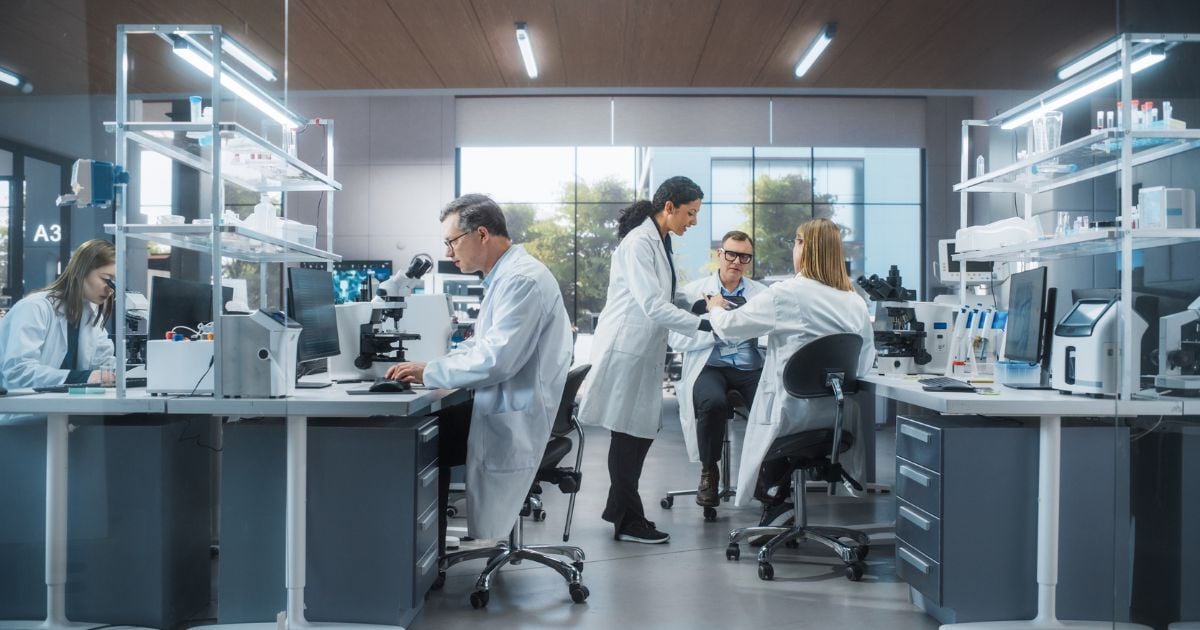
A functional lab requires enough square footage to move safely, set up equipment correctly, and keep traffic flowing without bottlenecks.
Laboratory Space Planning Basics
You need room dimensions that support your workflow, plus clear paths for walking, loading supplies, and accessing emergency equipment.
Benches typically sit around standard depths, and aisles require sufficient width for two people to pass without having to turn sideways. ADA rules also apply, so doorways, turning zones, and workstation access points must be wide enough for mobility devices.
Clearance zones help the room function day-to-day. For example, leave space behind benches for cords and ventilation gaps, and keep open paths around emergency showers and eyewash stations.
Small details like these make a space easier and safer to use.
How Much Space Do Equipment Systems Need?
Larger systems need more room for hookups, airflow, and safe operation. Here’s how that plays out with equipment you might install from USA Lab:
- Reactors (jacketed or stainless steel) require open space around their frame for heating or cooling lines, access ports, and maintenance purposes. Leave room to move drums, hoses, and pumps in and out.
- Freeze dryers require space for dry, stable airflow and room to access vacuum pumps or trays. Maintain clearance around the back and sides for easy access to connections.
- Chillers need space for heat exhaust and straightforward hose routing. Placing them too close to walls or other equipment can reduce performance.
- Rotary evaporators need counter space for the stand, receiving flask, condenser, and bath. You’ll also want space for connecting a chiller and cold trap.
- Cold traps sit near rotovaps, freeze dryers, or other systems. Give them a small buffer so you can check fill levels and handle quick maintenance.
Storage Zones and Separation Requirements
Storage needs structure just like equipment areas. Chemical storage guidelines require you to separate incompatible materials, clearly label shelves, and use proper containment methods.
Flammable liquids must be stored in approved flammable cabinets with vents (if required by local regulations). Gas cylinders must be secured upright with chains or brackets and kept away from heat sources and high-traffic areas. And every lab needs a defined waste area with containers that match your chemical or biological streams.
Keeping these zones separate reduces the risk of accidents and makes inspections smoother.
Utility Requirements Every Lab Must Meet
Labs rely on stable, well-planned utilities that match the power, ventilation, water, and structural needs of the instruments you’re installing.
Electrical Specifications
Labs use a mix of voltages, phases, and amperage levels, so planning your electrical layout early prevents overloads and downtime.
High-load devices (like reactors or chillers) often need their own dedicated circuits to avoid tripping breakers during startup. It also helps to group outlets based on workflow, so equipment can be moved or serviced without requiring rewiring of the room.
Backup power is another consideration. Some labs use uninterruptible power supplies for sensitive instruments, while others rely on generator-backed circuits to protect freezers or ongoing processes during outages.
HVAC and Ventilation Requirements
Labs move a lot of air, and the HVAC setup plays a significant role in both comfort and safety. Air exchange rates must support the type of work you’re doing and maintain steady airflow patterns. If you use chemical processes, a fume hood connects to an exhaust system that pulls contaminated air out of the room.
Some spaces need negative or positive pressure. For example, a room holding solvents or extraction equipment may use negative pressure to keep vapors contained. Clean areas or QC rooms might use positive pressure to keep outside air from drifting in.
Heat output is another significant factor, particularly when multiple chillers or reactors are operating simultaneously. USA Lab Chillers help manage heat at the equipment level, but your room's HVAC system still has to handle the overall load to maintain steady temperatures.
Water, Gas, and Drainage Requirements
Many labs rely on DI (deionization) or RO (reverse osmosis) water systems for cleaning, washing, or feeding certain instruments. These systems require a stable power supply and sufficient space for filters, tanks, and access for maintenance.
Some workflows also require compressed air or specialty gases. Gas lines must be routed safely, labeled clearly, and supported by secure cylinder storage.
When adding water and gas utilities, it is helpful to keep them accessible but protected from foot traffic.
Drainage planning matters too. You may need floor drains, sink drains, or process-specific drains depending on your workflow. Make sure they’re compatible with your waste regulations to prevent hazardous materials from entering a standard drain line.
Floor Loading and Structural Requirements
Heavy equipment puts real stress on floors. Large reactors and solvent tanks may require reinforced slabs or load-bearing checks before installation. Some tools also require anchor points to remain stable during operation, especially those that vibrate or utilize mixing components.
Planning these structural needs early saves you from costly retrofits and helps you map out where each piece of equipment will safely fit in your space.
Safety Specifications and Lab Safety Requirements
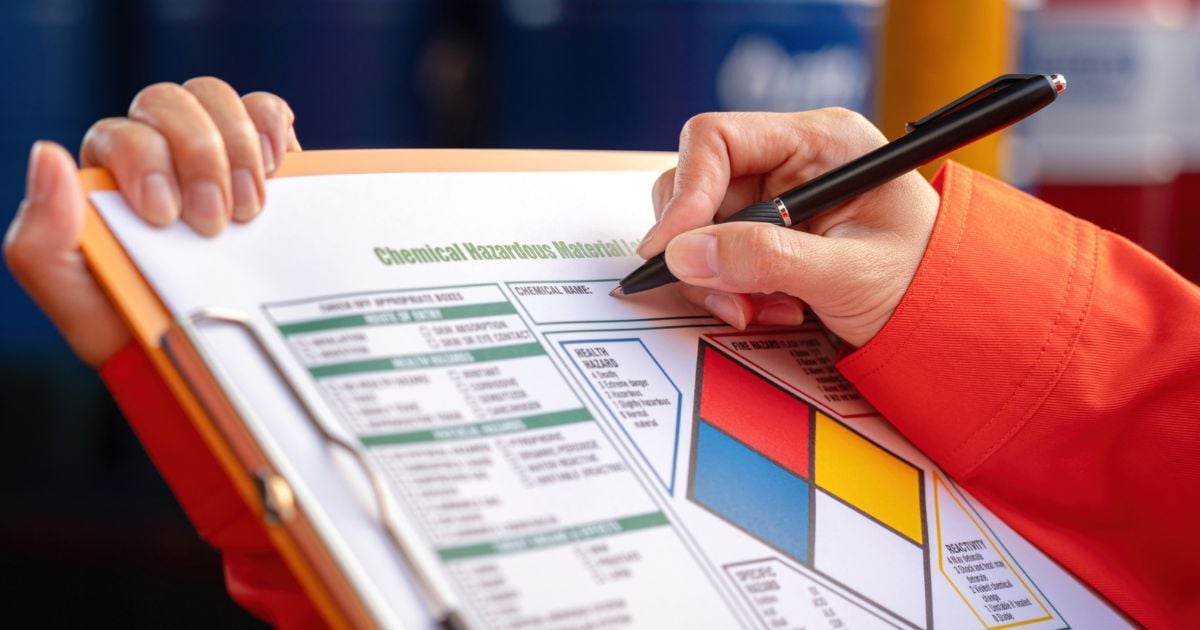
Laboratories follow specific safety codes because they handle chemicals, heat sources, pressurized systems, and other hazards that need controlled conditions. These rules help prevent fires, protect staff, support emergency response, and ensure the lab remains compliant with national and local regulations.
Fire Safety and Hazard Mitigation
NFPA sets clear expectations for how you store flammable liquids, place cabinets, and handle ignition sources.
Many labs also install emergency shut-offs for gas or electrical systems so you can stop power quickly during an incident. Fire suppression equipment (whether sprinklers or wall-mounted units) needs clear access with no stored items blocking it.
Personal Safety Requirements
Labs must include eyewash stations and emergency showers where chemicals are handled. Keep pathways open so anyone can reach them fast.
Spill kits should be placed in easily accessible locations and include materials suitable for the types of substances you store, such as absorbents for solvents or neutralizers for acids. These small setups support quick response and help reduce the spread of a spill.
Chemical Storage Guidelines by Category
- Solvents: Store solvents in flammable-rated cabinets and keep them separate from oxidizers and acids. Keep containers closed when not in use.
- Acids and bases: Use corrosion-resistant cabinets or shelving and separate incompatible groups. Some acids need their own secondary containment.
- Waste segregation rules: Waste must be grouped by type (solvent waste, acid waste, aqueous waste, or biological waste). Segregation reduces reactions and makes disposal safer and easier for waste handlers.
Equipment Safety Specifications
Ventilation needs increase when using extraction equipment or any other device that produces vapors. Extraction systems often require dedicated exhaust or negative-pressure rooms to prevent fumes from entering shared spaces. Vacuum pumps should be placed in ventilated areas or connected to exhaust lines to prevent heat buildup and oil mist.
Rotovaps also have safety considerations: keep heat baths stable, avoid overcrowding the counter, and maintain enough space for chillers and cold traps to sit safely without blocking movement.
Environmental and Operational Requirements
Labs work best when the room’s temperature, humidity, vibration levels, and cleanliness stay within reliable limits. These conditions protect your data, help equipment last longer, and maintain stable operations for sensitive processes.
Temperature and Humidity Controls
Most analytical and extraction spaces run within a steady temperature range that prevents instruments from drifting or overheating. Humidity also needs to remain within a workable range so that electronics, chemicals, and seals don’t break down.
Ambient conditions can impact equipment performance more than you might expect. Chillers run harder in hot rooms, freezers struggle to hold setpoints when humidity is high, and rotovaps take longer to remove solvent if the room temperature fluctuates.
Planning your HVAC load early helps you avoid these issues and keeps each system working as intended.
Cleanliness and Contamination Control
Some labs need higher levels of cleanliness depending on the work they do.
Cleanrooms adhere to ISO classifications that establish limits on airborne particles. These spaces usually have smooth, non-porous surfaces so dust and residue can’t build up. Stainless steel, coated metals, and certain plastics are common choices because they’re easy to wipe down and don’t shed particles.
Noise, Vibration, and Equipment Placement
Equipment such as compressors, pumps, and condensers generate noise and vibration that can interfere with sensitive instruments. You can reduce issues by placing these louder tools in mechanical rooms or isolating them from work areas with barriers or buffer zones.
If you’re working with vibration-sensitive tools (such as balances or imaging equipment), keep them on stable benches away from heavy foot traffic. For pumps or chillers, simple steps like using flexible hoses or placing the unit on a vibration pad can help keep readings consistent and reduce wear on the equipment.
Pre-Installation Checklist: How to Verify Your Lab Meets Requirements

Before purchasing new equipment, it's helpful to confirm that your space can actually support it.
- Electrical infrastructure validated. Ensure your voltage, phase, and amperage match the requirements of the instruments you plan to install. Check for dedicated circuits where required.
- Ventilation system sized for equipment load. Confirm that your HVAC and exhaust systems can handle the heat output and airflow demands of tools like reactors, chillers, or extraction units.
- Water and gas lines mapped. Note the locations of DI/RO water, compressed air, and specialty gas lines entering the room, so you can place equipment without crossing walkways or blocking access points.
- Drainage confirmed. Verify that sinks, floor drains, and process drains align with your workflow and comply with waste-handling regulations.
- Storage zones labeled. Make sure chemical cabinets, flammable storage, gas cylinder racks, and waste stations are set up and clearly marked.
- Transport paths measured for large equipment. Measure doorways, turning spaces, and ramps to ensure larger items can move through the building without damage.
- Compliance documentation gathered. Keep OSHA, NFPA, EPA, and local building code requirements on hand so you’re not guessing during installation or inspection.
This checklist helps you identify gaps early and provides a smoother setup when it’s time to introduce new instruments into the lab.
Setting Up a Lab That Meets Today’s Standards
Building a lab that works well from day one starts with getting the specifications right. When you plan for safety, utilities, space, and compliance early, everything else falls into place.
If you’re ready to build out your laboratory, USA Lab carries a wide range of reactors, chillers, freeze dryers, rotovaps, and other scientific equipment.